What to do if a kitten has constipation

Pets- it's like little children, you need an eye for them. They do not know how to talk and cannot tell if something hurts them or they don’t like something. Therefore, the owners must be especially careful in order to recognize the problem in time and eliminate it, so that a small nuisance does not develop into a major health problem. In this article, we will tell you how to understand that a kitten is constipated and what to do to improve the animal's stool.
Content
How to identify constipation in a kitten
Normally, every cat should go to the toilet "big" once a day. Emptying her bowels should not cause her problems, much less pain. You can understand that your pet is constipated by the following signs:
- the cat meows at the moment when it tries to empty itself - this indicates that it hurts;
- if he manages to go to the toilet, then the calla is hard, small in size, can be covered with mucus or blood;
- the pet often goes to the toilet, but does not leave anything in the tray after itself;
- the animal has lost interest in food;
- the cat begins to lose weight;
- the animal is lethargic;
- vomiting is noted;
- the cat does not lick itself.
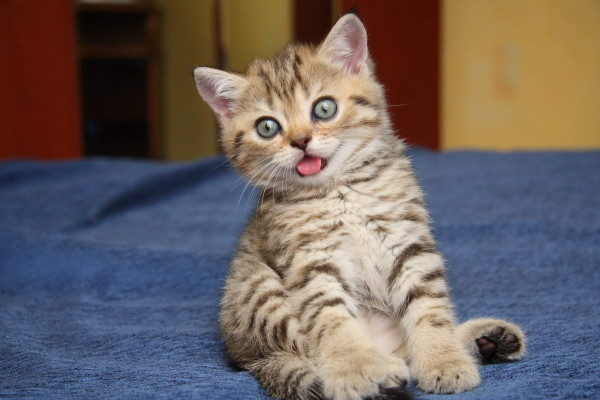

These are the main signs by which you can understand that something is clearly going on with the pet. If this applies to your kitten - be sure to take measures to eliminate constipation, otherwise, the longer the delay is, the more harm it will cause to the animal!
If you just brought the kitten home, and he was constipated, then you should not panic. Call the former owner to see if the bowel movement was normal before you pick up the animal. If so, then most likely the constipation is temporary, which is associated with stress. Changing the owner and leaving the mother for a kitten is very stressful. Help him quickly adapt and everything will definitely work out.
What to do if a kitten has constipation
Ideally, of course, if problems are found, you should immediately seek help from a veterinarian, since constipation can manifest itself not only as an independent ailment, but also as a symptom of a serious illness. If this is not possible, then we offer you a safe option on how you can provide first aid to help your pet.
The first thing that can be used in such cases is petroleum jelly, which can be purchased at the pharmacy. This remedy is absolutely harmless to the cat - it passes through the intestines without being absorbed, lubricates its walls and softens the feces, which then leave the body without hindrance. In no case should vegetable oils and castor oil be used - these representatives are absorbed by the body and may not only not help, but also harm the health of the animal's liver. 
Petroleum jelly should be given orally to the pet about two to three times and no more, with a break of three to four hours, 4 ml each. You can pour the composition into your mouth with a simple syringe, after removing the needle.
All other manipulations should be carried out only with the permission of a doctor. Therefore, if your pet is dear to you and you care about its state of health, do not hesitate. If petroleum jelly doesn't work, take the cat to the vet!
Preventing constipation in a kitten
To begin with, we will tell you for what reasons cats can generally have constipation. There are several provoking factors:
- various tumors that form intestinal obstruction;
- neurological disorders;
- weight problems (obesity);
- side effects from medications taken by the cat;
- a cyst in the intestine or abscess;
- enlarged prostate;
- stress;
- if foreign objects enter the cat's body: threads, pieces of tissue, etc.;
- the hair at the anus is very tangled;
- copious accumulation of hairballs in the stomach;
- dietary food in which there is a low protein content.
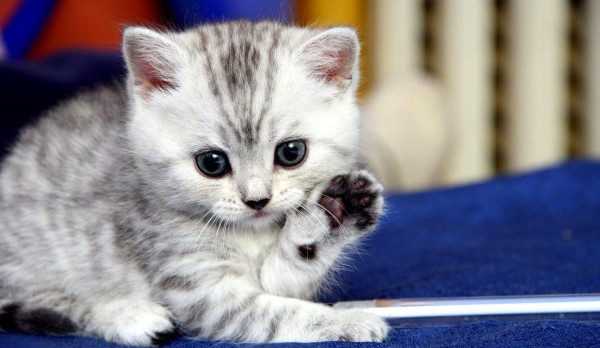

These causes are most often identified as the culprit in diagnosing constipation. Therefore, the primary prevention should be to prevent them. Additional measures to help keep your pet's stool in good condition:
- Monitor your cat's nutritional balance... His diet should contain all vitamins and minerals necessary for health, as well as a sufficient amount of vegetable fiber. Never feed an animal from your table!
- In order for the cat to have a good metabolism and intestines to work like a clock, provide it with physical activity. It can be walks, joint games, and special simulators. Contrary to popular belief, cats should not only sleep and eat - this is a direct road to problems not only with weight, but also with health in general.
- If the cat has periodic constipation, do not try to pretend that nothing is happening - visit the veterinarian and discuss the nutrition of the animal with him. Your doctor can advise and help you choose foods that are suitable for cats with digestive problems.
- To prevent hairballs from accumulating in the cat's stomach, regularly monitor the cat's cleanliness and comb the hair yourself or take the pet to a special hairdresser where it will be cut. Special preparations help well, which prevent profuse hair loss.