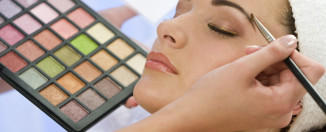
33 face masks: simple and effective homemade recipes

Today you can combat skin imperfections not only with the help of purchased products. Despite the huge selection of caring and cleansing cosmetics, many women prefer homemade masks. After all, by mixing all the ingredients yourself, you can be sure of the safety and effectiveness of the mask. So, we present the most popular and effective face masks.
Contents
- Face mask blackheads
- Gelatin face mask
- Face mask with honey
- Clay face mask
- Oatmeal face mask
- Starch face mask
- Egg face mask
- Face mask with aspirin
- Carrot face mask
- Olive face mask
- Banana face mask
- Protein face mask
- Sour cream face mask
- Blue face mask
- Glycerin face mask
- Laminaria face mask
- Yeast face mask
- Lemon face mask
- Green face mask
- Tea face mask
- Soda face mask
- White clay face mask
- Flax face mask
- Coffee face mask
- Rice face mask
- Castor face mask
- Potato face mask
- Face mask with milk
- Flour face mask
- Kefir face mask
- Cinnamon face mask
- Chocolate face mask
- Cottage cheese face mask
Face mask blackheads
Blackheads are the most obvious sign of untreated skin. We can and should fight this. For deep cleansing, use an egg white mask. It is whipped to a thick foaming state and applied to the face until completely dry. As soon as the mask has saturated the skin and has begun to dry, apply the next layer. And so on several times. Keep the mask on your face for 15 minutes and remove with dry hands. The resulting film also takes away impurities from the pores. This mask somewhat tightens the skin, as it has the effect of narrowing pores and tightening the facial skin. After it, you need to use a moisturizer or even olive oil if you have dry skin.
Gelatin face mask
Gelatin is a permanent homemade ingredient in natural masks. Due to the property of gelatin to harden and change consistency, it has a lifting effect on the skin, but only with regular use.
Masks with gelatin begin to be used when wrinkles first appear. They prevent sagging and fill the skin with collagen. By the way, while many other store-bought products use plant or artificial collagen, in gelatin it is present in animal form, which is closest to the composition of natural collagen in human skin.
Gelatin is used as a stand-alone mask or mixed with other moisturizing and nourishing ingredients.
Preparing a mask from gelatin and milk takes a little time. Gelatin is poured with milk (preferably high-fat) in a ratio of 1 to 5. After the gelatin swells, which takes about 15-20 minutes, the mask is slightly heated. The finished mass is applied to the face and left for 20 minutes. Gelatin mask is harmless and safe. It is suitable for frequent use.

Face mask with honey
The honey mask should be used with caution by people with allergic reactions. Honey is never heated to a hot state, otherwise it becomes useless as a nutritional element.
The honey-egg mask is prepared as follows: add an egg yolk to a tablespoon of honey. You can also add a few drops of vegetable or almond oil. This mask is very moisturizing and nourishes the skin. Leave on the face for no more than 20 minutes. The mask must be washed off with warm water.
Clay face mask
Clay masks are easy to prepare. It is enough to mix the clay with warm water to a thick consistency, and the nutritious base is ready. Clay is also often diluted with milk or sour cream.
The peculiarity of this mask is that it has a tightening effect. This happens as the mask dries, when the clay pulls together with the skin. Do not allow the mask to dry completely, this dries out the skin very much. Therefore, regularly apply a new thin layer of mask to your skin, distributing it evenly over your entire face.
Before using this mask, it is even recommended to apply moisturizer to your face.
Oatmeal face mask
Oatmeal perfectly evens out the complexion. It is necessary to grind or grind the oatmeal to a powder, mix with a small amount of olive or peach oil and apply a thick layer to the face. This mask is very popular due to its effect, which is noticeable after just a few times of use. The oatmeal mask is absolutely hypoallergenic and suitable for those with sensitive skin. The main thing is to apply the mask with gentle, gentle movements.

Starch face mask
Starch is a unique product for our skin. It has many useful properties. Starch not only cleanses our skin, but also nourishes, smoothes wrinkles and has a lifting effect.
To combat inflammation, oily shine, and enlarged pores, use the following mask. A small amount of starch is ground with egg white, a pinch of soda and a few drops of tea tree oil are added. This mask is applied to the face in a thick layer, but avoid the skin around the eyes. While using a starch mask, you may experience a slight feeling of skin tightness. This is due to the tightening effect that starch has on the face. Therefore, after the mask, be sure to apply a moisturizer to your skin.
Egg face mask
Egg yolk and white have different properties. Yolk is the basis of a nourishing mask, recommended for any skin type. Protein tightens pores and tightens the skin.
Let's give an example of a nourishing mask that both moisturizes the skin and slightly whitens it (a side effect of cottage cheese, like many other white natural products).
Ingredients:
- cottage cheese;
- olive oil;
- chicken egg.
Grind a tablespoon of cottage cheese with a whole egg. You can add part of the egg to make the resulting composition convenient for application. In addition, you need to add half a teaspoon of olive oil to the mask, which will make the solution even more liquid. To make the mask thicker, you can add wheat flour or starch to it.
Face mask with aspirin
Aspirin has become a popular remedy to combat inflammation, large pores and uneven complexion. Of course, this is explained not only by the effectiveness and ease of use of this product, but also by the fact that it can be bought at any pharmacy and is cheap. That is, you get a complete solution for intensive skin treatment for an almost symbolic amount. Aspirin masks even get rid of blackheads. Also, masks with aspirin have a scrubbing effect, so be sure to crush the tablets well.
You must first grind the aspirin tablets to fine crumbs. Add a small pinch of salt and lemon juice to the aspirin. Lemon should be squeezed directly into the mask, but only a few drops! Before using this mask or lemon juice in any other homemade mask, make sure that there are no scratches, minor inflammations or cuts on your face. Lemon, like any other acid, corrodes wounded skin, which will lead to painful sensations.
The required amount of honey is added to the solution of aspirin, salt and lemon juice. It is better, of course, to take homemade honey and preheat it in a water bath. Why in a water bath? Honey should not be heated to a hot state, otherwise it becomes useless as a nutritional base for your mask. It loses its beneficial properties; they “evaporate” when heated strongly, and even more so when boiling. This is why a water bath is such a popular way to heat a solution.
Carrot face mask
Vegetables are one of the most natural and healthy products for the face in home cosmetology.
Carrots are one of the most popular vegetables for creating masks, along with cucumbers, tomatoes and potatoes. Carrots are rich in vitamins and substances that help facial skin acquire an even complexion, stop flaking, and become softer and more elastic. In addition, carrots also moisturize the skin.
In order for carrots to be conveniently applied to the face, they must acquire the consistency of gruel. Since the vegetables from which homemade masks are prepared must not only be environmentally friendly, but also fresh, since they are not boiled. Therefore, carrots are passed through a grater. The finer the grater, the better, since when thoroughly grated, the carrots release more juice. Add a few drops of almond, peach or grape oil to the vegetable puree. Apply a thick layer to the face and leave for 20-25 minutes. Although this mask is absolutely harmless, you should not keep it on your face for longer. After all, if you follow the advice of cosmetologists, any mask cannot be kept on your face for more than 30 minutes.
Olive face mask
Olive oil has a very beneficial effect on the skin. It is the most popular in cosmetology. Unlike linseed oil, it does not have an unpleasant odor. Although grape oil is also often used. A huge amount of useful substances makes this product indispensable in home masks. Olive oil can be used as an independent mask if you apply it warm to the skin of the face with your fingertips and gently distribute it along the massage lines of the face.
Masks made from oils and fruits are also common. For normal and combination skin, a mask of kiwi and olive oil is suitable. This puree is applied to the face in a thick layer. If your skin is prone to allergies, then it is better to take less “sour” fruits: apples, bananas.
Banana face mask
This mask fights skin aging very well and returns a good complexion to the face. After a course of 10-14 procedures, your skin will be transformed, become healthier, and will not cause problems in the form of pimples and dryness.
If you want your skin to become more elastic, soft and absorb a large amount of beneficial substances (which, of course, will affect its appearance), then use the following mask. You need to mix 100 ml of yogurt and 1 banana. It is better to take a banana that is slightly overripe so that it can be easily mashed, and you need natural, classic yogurt, without additives, without taste, with a high percentage of fat content. Add a spoonful of warm honey to the mixture.

Protein face mask
Chicken egg white is the active component of many masks. When the protein dries, it begins to shrink along with the skin. Don’t let this scare you, because it is this property of egg white that helps tighten the skin and tighten enlarged pores. In principle, protein can be applied to dry facial skin, but then it is better to add a spoonful of any oil to the mask. You can also mix the white of a chicken egg with cottage cheese or yogurt and apply a thick layer to your face, avoiding the eyelid area.
The protein is also mixed with starch to the required consistency. If you have two ingredients (one liquid, the other powder), then you make up the proportions yourself. The main thing is that the mask is convenient to apply to the face and lasts for the required amount of time.
Sour cream face mask
Sour cream is a natural moisturizing product. It does not have highly targeted effects such as tightening pores or clearing the skin of blackheads, but due to its natural composition it has a positive effect on the condition of the skin in general.
Fruit pulp, for example, peach or apple, is added to sour cream. If you want to lighten your complexion (so your skin looks fresher and clearer), squeeze a little fresh lemon juice into the resulting mixture. Do not use concentrates, only the fruit itself!
Blue face mask
Blue clay is a popular ingredient when making homemade masks. It's cheap but effective. In addition, its powdery state allows it to be mixed with various nutritional liquid ingredients. To combat blackheads, scars and acne, clay is diluted with water and aloe juice. The mask on the face should be regularly moistened with wet hands.
Glycerin face mask
Glycerin masks are very good at increasing the fluid level in the epidermis. This is the main property of a viscous colorless liquid. Moreover, it is allowed to dilute it with any liquids in any proportions, which makes this product universal, like olive oil, for example. Without special requirements for use, liquid, moisturizing - this product has every right to become a permanent assistant in the care of your skin.
A wonderful mask with a fresh summer scent is made from grapefruit pulp, grape oil, glycerin and one ampoule of vitamin A, which can be purchased at the pharmacy. In general, you should add this vitamin to any mask. After all, this is one of the main substances that is necessary for healthy skin.
Laminaria face mask
The Japanese called this type of algae “the grass of immortality.” Laminaria is the seaweed that we are used to seeing on store shelves. But they are also sold in pharmacies.
Laminaria powder can be poured with mineral water and let it brew for a while. The liquid base of the mask should be at room temperature or lukewarm, but do not pour boiling water over the kelp! This will destroy all its nutritional properties, since kelp is accustomed to coolness.
Yeast face mask
Yeast is not such a popular ingredient in home cosmetology, but nevertheless it has certain properties. Yeast helps fight wrinkles and restores the skin's natural elasticity. After trying a yeast mask, you may be convinced of its benefits and become a fan of home treatments using yeast.
Yeast is mixed with cucumbers passed through a grater (it is better if they are without peel), and the required amount of water is added to the resulting mass.
Lemon face mask
Let us immediately note that masks are made with only a small amount of juice, since long-term exposure of the skin to a large amount of acid can lead to redness. There is also a cosmetic procedure in which the skin is rubbed with a thin slice of lemon. But this is a short-term effect on the skin of the face. The composition of lemon is very nutritious, it is rich in not only vitamins, minerals, etc., but also essential oils and substances that even cleanse the skin of the face. At the same time, the skin of the face lightens slightly after using masks with the juice of this fruit. Fresh lemon juice helps fight oiliness and age spots.
Mix a few drops of lemon with yogurt, add 2 tablespoons of grated celery and apply a thick layer to the face.
Green face mask
Using green vegetables in home cosmetology has a great effect on the condition of the skin. The mask is made from celery, parsley and apple. The products are grated and mixed, adding olive oil. Be sure to wash your greens before applying them to your face, and it is also best if you grow all your vegetables yourself.

Tea face mask
Tea is also used in home cosmetology, although not as often.
But all the beneficial antioxidants for which black and green tea are so loved can affect not only the human body from the inside, but also the skin of the face.
When preparing homemade masks, both green and black tea are used. Both tea leaves and the liquid obtained during brewing are used. The main thing is that the tea leaves are of the highest quality, and the tea itself is strongly brewed. If you feel that your skin is losing elasticity and is not as soft as you would like, then prepare a mask of mayonnaise and strong brewed tea. If the smell of mayonnaise bothers you, you can use sour cream and the yolk of a chicken or quail egg.
Soda face mask
Baking soda is known to have a cleansing effect. For this property, as well as for its scrubbing effect, soda has gained popularity in home cosmetology. When using soda masks for a long time (1-2 months), your face will be cleared of blackheads.
To make a mask, a teaspoon of baking soda and warm honey are enough. The ingredients are mixed and applied to the face with gentle movements. It is recommended to add a few drops of hydrogen peroxide to this mask, aimed at disinfecting and cleansing the face (can be replaced with lemon juice).
White clay face mask
White clay is a very nourishing product for our skin. 2 tablespoons of clay are diluted in fat milk. Remember not to let the mask dry out.
Flax face mask
A flax mask is made from seeds, oil or flaxseed flour. Flax contains powerful antioxidants, thanks to which linen masks have a healing effect, smooth out wrinkles and fight pigment spots or prevent their appearance. For tired skin, the following mask is necessary. Flaxseed oil (half a teaspoon) is mixed with essential oils of rose, chamomile, orange and sandalwood. Essential oils are added a couple of drops at a time. This mask can also be used as a facial massage oil.
Coffee face mask
For a coffee mask, use the grounds of good quality coffee. Thanks to its composition, coffee actively fights skin aging and even promotes collagen production. A mask made from coffee and cottage cheese is very easy to prepare. It is better if the cottage cheese is homemade. For a more viscous consistency and to make the mask more nutritious, you can add yolk.
Please note that after coffee masks, the skin is very moisturized and covered with an oily film. Therefore, it is especially not recommended to make such a mask before going out.
Rice face mask
Homemade rice masks are not as popular as others. In addition, these masks require more time to prepare. But rice is very good for the skin. It dries out the skin, as it contains starch, rejuvenates it and fights inflammation.
The rice mask suggested in this article is ideal for oily skin. It tightens pores and stabilizes the functioning of the sebaceous glands. To do this, crushed rice is ground with egg white. If you do not have the opportunity to grind rice into crumbs, you can use boiled rice, which is easily mashed with other ingredients.
Castor face mask
Castor oil not only moisturizes the skin, but also heals. Masks based on bone oil actively fight acne.
To prepare a castor mask against inflammation you will need:
- a teaspoon of castor oil;
- a teaspoon of calendula tincture;
- 1 protein;
- aspirin.
The mask is applied in several layers for 20 minutes. After you wash off this mask, you will feel a comfortable state of your skin, and there will be no need to apply cream.
Potato face mask
To improve skin tone, home cosmetology uses potatoes, which are passed through a grater. Add honey, a pinch of soda and a few drops of peach oil to the resulting consistency. This mask is applied for 15-20 minutes. It is suitable for any skin type and evens out the complexion with regular use.
Face mask with milk
Milk can serve as a base for many masks. So you can always use milk instead of water. If you have dry skin, then you need to take milk with maximum fat content. Oatmeal is added to milk to a viscous consistency and applied to the face. This mask has many positive reviews, it is easy to prepare and effective. Absolutely safe ingredients, so the mask can also be applied to the area around the eyes.
Flour face mask
A homemade flour mask is a magical remedy for combating the most unpleasant skin imperfections. Skin tired and fading? Flour has the ability to rejuvenate the skin! Inflammation and blackheads? Flour cleanses the skin and nourishes! Acne marks? Flour evens out your complexion! If you look at the properties of homemade products, but all white and milky ingredients (including flour, oatmeal, starch, and other bulk products) effectively even out the complexion.
Women of different ages actively use the mask with the following composition:
- 1 spoon of flour;
- 2 spoons of strong tea (black or green);
- 1 spoon of lemon juice.
The ingredients mix easily and the mask is completely safe.
It should be remembered that different flours are used in home cosmetology: corn, rice, wheat, barley, etc.
Each type of flour has its own characteristics and properties. If you decide to give yourself a course of home treatments using flour, then you must stick to the same composition throughout the entire course.
Oatmeal has cleansing properties, and in combination with other ingredients it forms a mask with a “double” effect: it increases moisture levels and cleanses the skin. Rice flour has the same properties.
If your facial skin is oily, then wheat flour is suitable. It can be mixed with other ingredients aimed at combating oily shine and slightly enlarged pores. Such ingredients are starch and sour milk. The recommended oils are those that have an “astringent” effect. This could be, for example, juniper, fir or mint oil. But you should remember that if you can add any other oils in unlimited quantities, then oils with an “astringent” effect are added literally 1-2 drops at a time. Otherwise, the strong smell of the mask will cause you discomfort, your eyes may begin to sting, and you will not keep the mask on your face for a sufficient amount of time. So when using mint and spruce oils, the rule “less is more” works.
For drier skin, use oatmeal or rice flour. These products are very gentle on the skin and cannot cause irritation. 1 tablespoon of rice or oatmeal is ground in a coffee grinder or ground in a cup. You can use heated honey, olive or vegetable oil, or grated tomato as the basis for the mask.
For convenience, if you have chosen a mask made from a specific flour, you can grind the required amount of flour for the entire course. This jar will be a great helper in maintaining beauty at home.
Kefir face mask
A kefir mask is considered universal and nutritious.
For the masks we offer, mix a few drops of almond oil, 2 parts of kefir, and 2 parts of apple or grapefruit pulp. Citrus fights fine wrinkles.
Cinnamon face mask
Cinnamon has a rich composition and tart smell. Despite this, cinnamon is recommended even for dry and sensitive skin. Cinnamon perfectly tones the skin, saturating it and charging it with natural energy. Cinnamon can be added to any mask. A very popular mask is made from cinnamon and honey. 1 teaspoon of cinnamon is dissolved in a tablespoon of warmed milk. This solution should be kept on the face for no more than 20 minutes to avoid allergies to honey. Leave the area around the eyes uncovered.

Chocolate face mask
Chocolate masks are popular, and this is easy to explain: chocolate has a unique composition that gives the skin energy to restore its natural tone. With regular use of a chocolate mask, your facial skin really transforms. After all, chocolate contains ingredients such as: vanilla, cocoa beans (help accelerate metabolism in the epidermis), theobromine (promotes the release of natural collagen, which increases the youthfulness of the skin), caffeine (antioxidant of youth), tryptophan (helps increase the “immunity” of our skin), tannins (heal microcracks on the face that are invisible at first glance, which promotes uniform color and texture), phenylethylamine (deliver oxygen to epidermal cells).
Chocolate has such a rich composition that it can be used as a full-fledged mask. Remember that the higher the percentage of cocoa beans in chocolate, the healthier the mask. Therefore, choose dark chocolate without additives. By heating it, you get a ready-made solution that covers your face and neck.
Cottage cheese face mask
Cottage cheese moisturizes and whitens the skin. To prepare a nourishing mask that is suitable for any skin, you will need 2 tablespoons of cottage cheese, a chicken egg yolk and grated cucumber. Products must be mixed until smooth. You need to apply the mask in a thick layer, but so that it fits tightly on the skin. Therefore, there should be no lumps left in the mask, and it is better to remove the peel from the cucumber.