Anemia in children: symptoms, causes, treatment

Anemia, also called anemia, is a pathological syndrome caused by a low level of hemoglobin. A high risk of anemia exists in babies born prematurely or with congenital problems with the gastrointestinal tract. Therefore, such children require special attention to their health. Let's talk in more detail about the causes of anemia in children, as well as the signs, treatment and prevention of the syndrome.
Contents
Causes of anemia in children
This syndrome can be caused by the following reasons:
- Malfunction of the hematopoietic system in the bone marrow.
- Deviations in the functioning of the gastrointestinal tract. Subsequently, nutrients are simply not absorbed.
- Insufficient development of the organs of the circulatory system.
- Worms.
- Poor nutrition, imbalance when consuming certain foods.
- Lack of certain vitamins and microelements: B, C, iron, copper, folic acid.
- Anemia often develops in children born premature.
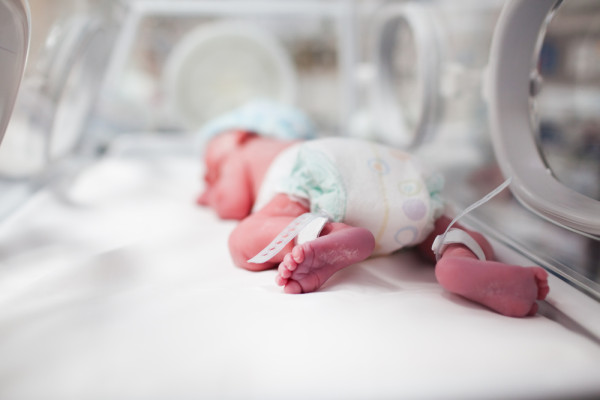

A child's body is much more susceptible to infections and negative environmental influences than an adult. Therefore, even poor ecology or the presence of infectious diseases can cause anemia.
Anemia in an infant
Anemia in infants, in addition to the reasons mentioned above, can be caused by poor nutrition of the mother. For example, if a mother does not eat meat or other protein foods or is on some kind of diet, this can affect the quality of milk and harm the baby, causing him to become anemic. In this case, it is necessary to urgently review your diet, and possibly undergo therapy with drugs containing iron.
If anemia is detected in a child who is bottle-fed, perhaps the whole problem is in the formula and it needs to be replaced. 
Also, regular kefir, even for children, can cause anemia in a child. If it is given before the baby is 8 months old, it can cause minor hemorrhages in the intestinal area.
Signs of anemia in children
Signs of childhood anemia may vary, depending on the cause and severity of the disease. However, we can talk about general signs characteristic of each type of disease:
- Paleness of the skin and mucous membranes.
- Tachycardia.
- Impaired sense of taste.
- Lethargy, weakness, apathy.
- Yellowish skin color.
- Frequent nosebleeds.
- Brittle nails and hair.
- Susceptibility to colds and infectious diseases.
Symptoms that indicate anemia in the smallest children can be: poor appetite, pallor, lethargy. The child becomes excessively sleepy and shows virtually no activity. Slightly older children get tired very quickly and refuse to get up. 
First of all, the signs of the disease can be judged by the condition of the skin and its appendages:
- nail plates become brittle, sometimes they begin to deform;
- hair also suffers, it loses its healthy shine and begins to fall out;
- When examined in a well-lit place, the earlobes look very pale.
Anemia especially affects the state of the child’s nervous system. He may have frequent dizziness, exhaustion, restless sleep, and may have enuresis. Children suffering from this disease cannot withstand heavy loads, begin to get tired very quickly, and development may be inhibited. Sometimes there are fainting spells.
Treatment of anemia in children
For young children, anemia is a rather dangerous disease, since it can progress and cause developmental delays, both physical and mental. Therefore, it is important to start treatment as early as possible.
To cure childhood anemia, first of all, it is necessary to organize the child’s daily routine and proper sleep, as well as draw up a balanced diet for him. Children need daytime sleep and frequent walks, special therapeutic exercises, and ultraviolet radiation therapy. 
If the child is breastfed, it is necessary to introduce complementary foods to him on time. It is better to start with fruit and vegetable juices, meat puree, and vegetables. Artificial babies should receive food with a high iron content. Older children should eat more beef and liver, greens, and seafood.
As for drug therapy, it mainly consists of prescribing multivitamins and iron-containing drugs. In some particularly severe cases, it may be necessary to undergo a blood transfusion (blood transfusion), as well as other types of surgery: a bone marrow transplant or resection of the spleen.
On average, it takes six to ten weeks to treat anemia.
Prevention of anemia in children
To prevent anemia, proper nutrition and providing the body with all the necessary vitamins are important. It is recommended to increase the amount of meat in the diet, especially beef, eggs, cottage cheese, and buckwheat porridge. Some types of fish also contain a lot of iron: mackerel, carp, burbot.
The best vegetables and fruits are beets, tomatoes, and spinach. An excellent remedy is natural pomegranate juice. In addition, it is very useful to eat fruits such as apples, black currants, and blueberries. You can also buy juices produced by some companies to prevent anemia (they contain a lot of iron). To supply the child's body with vitamin C, give a rosehip decoction. 
Previously, as a prophylactic against anemia, doctors prescribed liver, and in a half-baked form. But now this is not relevant, since it has already been proven that iron from this product is absorbed much worse than from lean meat. Therefore, it is recommended to give liver (only veal, not chicken) to children as they approach the age of one year and in small portions. It is best to give canned liver: there it is tested and well-heat-treated.
In addition, it is very useful to prevent anemia by walking with your baby in the fresh air, doing gymnastics, baths and massage.
If anemia is recognized and treated in time, it will not cause any adverse consequences, and your baby will be healthy and cheerful again.