How to keep pet rabbits

Rabbits are very cute and cuddly animals that are very easy to care for. They don’t take up much space, they eat very little, but it’s hard to even imagine how much pleasure they bring to their owners. In this article we will tell you how to properly take care of your pet so that it grows healthy and strong.
Contents Popular breeds of domestic rabbits
Keeping domestic rabbits
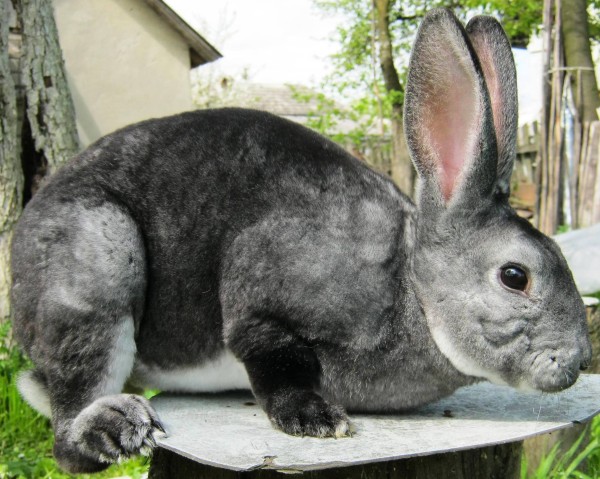
Rex. Short-haired rabbits bred in France. Their weight reaches no more than 4 kilograms, their body is elongated, their head is somewhat voluminous, their ears are shortened, and their front legs are short. Rex's fur feels plush to the touch. The fur color is: white, chinchilla, black, beaver.
- rexx
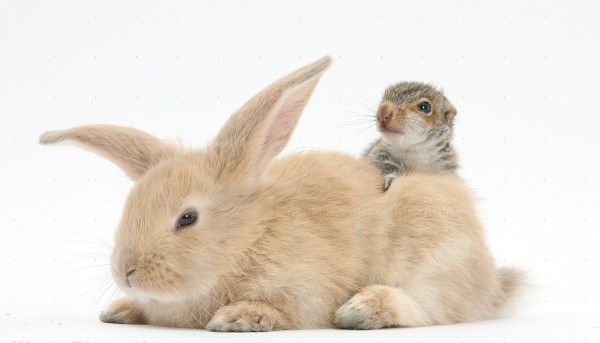
- Young Gray Squirrel and sandy rabbit
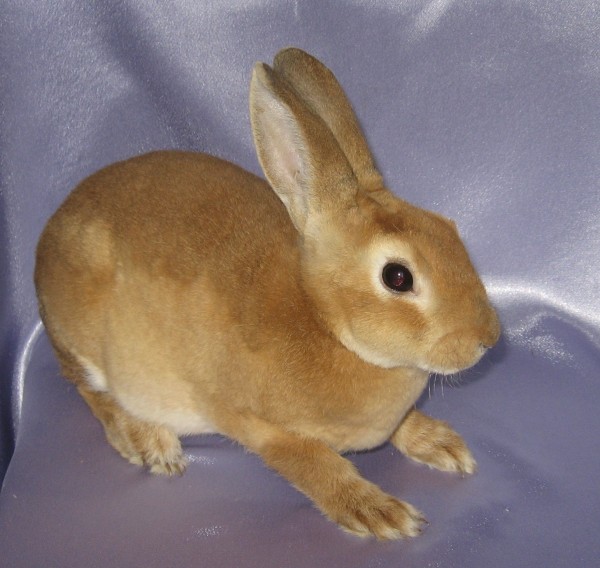
- 6249-2-f
-
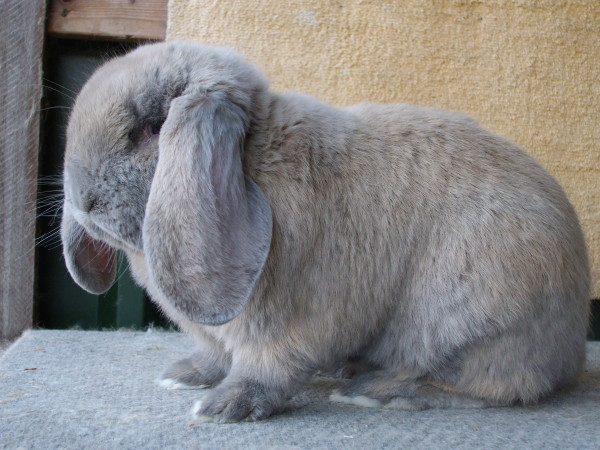
- The Butterfly breed came to us from England. They weigh no more than four kilograms. Their fur is thick, shiny and very pleasant to the touch.
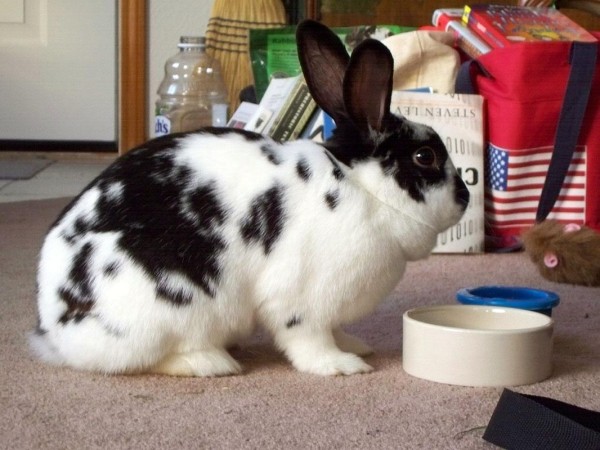
- The Dutch rabbit looks like a plush toy. The size of the individual is small, its weight is about 3.5 kilograms, its ears are no more than 12 centimeters long, and its body is short. On the head, the coat color takes on the silhouette of a butterfly, which is sure to stand out brightly.
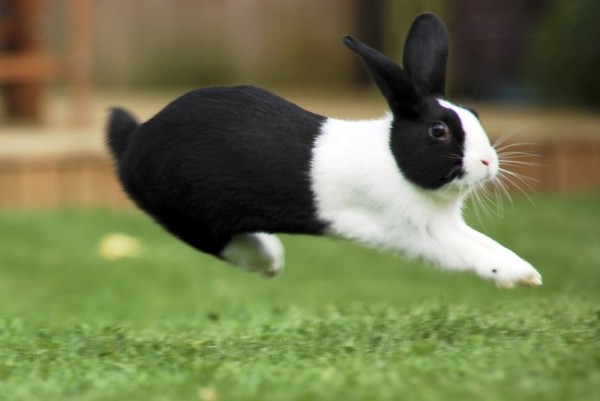
- Dwarf Fox rabbits. This species belongs to rabbits with long hair. An adult reaches a weight of 0.8-1.5 kg. This species has guard fur. They come in different colors, but the most popular are: Havana, chinchilla and white. They have small ears that stick up.
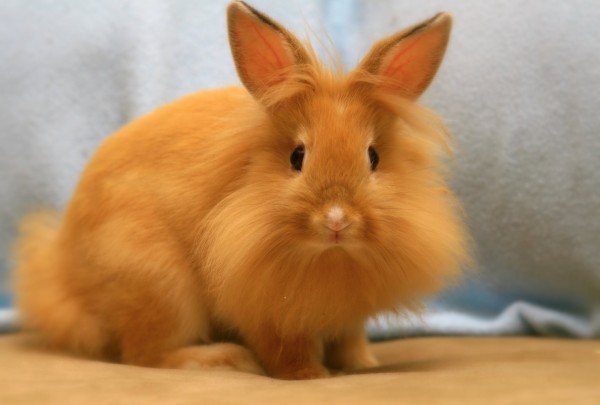
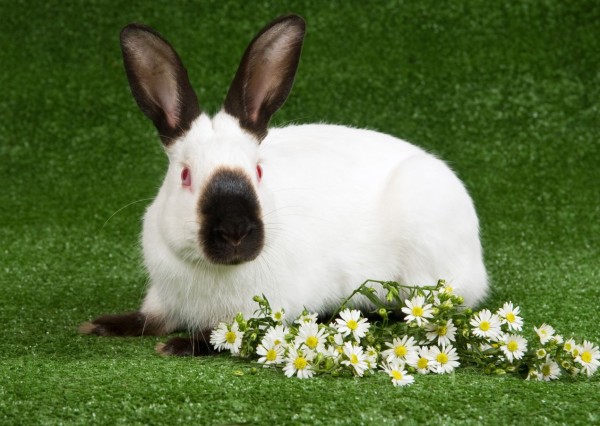
- The ermine or Polish rabbit is the first breed of dwarf rabbit to be recognized. From the very beginning, breeders bred them to replace ermine fur. They have short ears, no more than five centimeters, soft fur, white color, eyes either blue or red. In mass they do not exceed 1.2 kg.
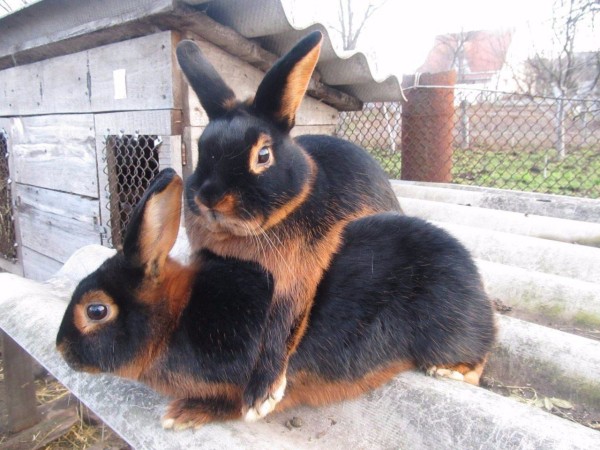
- Black-fire breed. Rabbits are medium in size, black with red markings. They have short and smooth fur, ears up to ten centimeters in length. Weight reaches no more than three kilograms.
- The Pygmy Laughing Rabbit is an incredibly cute species of rabbit. They are small, maximum weight 1.3 kg. They have a small body, short ears, and protruding fur. The color varies, but most often white with a stripe near the eyes predominates.


Cages for domestic rabbits
Remember, the rabbit loves cleanliness, which means you need to clean the tray every day. The bedding needs to be changed every three days, and the cage needs to be cleaned once a week. If you remember to do everything on time, then there will be no unpleasant odors from the animal in your house.

Even though your rabbit definitely needs a cage, it must be allowed out for a walk around the house every day. If you don't do this, he will become weaker and sicker. Two hours for a walk will be enough. Don't forget that a rabbit is a chewing animal, so don't leave it unattended. Buy toys for your pet that he can chew with impunity.
When choosing a place for a rabbit, keep in mind that they do not tolerate heat well. Therefore, open loggias and a seat by the window are no longer needed. Comfortable temperature is +20 ° C with air humidity 50%. If you notice that your pet is hot, wet a towel with cold water and wipe his ears. Since heat exchange occurs through them, this will help it cool down. You can also wet a towel with cold water and cover the cage with it, or place a bottle with a couple of pieces of ice in the cage.

Rabbits are shy and fragile; they should not come into contact with other animals, as they may start chasing him around the house, which will scare the pet. If there is a small child in the family, communication with the rabbit needs to be controlled. Children may not calculate the force with which they grab things or animals, and the rabbit may get hurt.
What to feed your pet rabbit
The size of the cage should be four times the size of the rabbit. It should fit: a tray, a drinking bowl, a feeder and a place to rest. The rabbit needs a plastic tray. When choosing, give preference to cages with a rough bottom. You should not put sawdust or other filler on the bottom; they are only needed for the toilet. A heavy ceramic bowl is required for food; the drinking bowl is mounted on the wall.

When choosing a cage, make sure that there are no potholes, sharp edges, or protruding rods. The animal may get hurt. The cage must be metal, without painting. The rabbit will definitely try it on the tooth; the processed metal can cause harm to it.
Take special care when installing the cage. After all, its well-being directly depends on the environmental conditions in which the rabbit will live. Ideally, the cage should be located away from the epicenter of noise and windows. Make sure that it is not in a draft.
How long do domestic rabbits live?

Rabbits are herbivores, and if formed incorrectly diet, they will get sick or even die.
Domestic rabbits are very fragile and weak; they cannot be fed like street rabbits. If a rabbit in grandma's barn can chew up any vegetable and grass, then such a ration will not suit a house rabbit due to a weak stomach. Decorative rabbits need special food to help grind their teeth. Baby rabbits are fed no more than twice a day. The diet may include:
- dried bread, but not crackers;
- hay;
- oatmeal flakes;
- wheat flakes.
- You can give carrots, but only peeled ones and in small quantities.

In summer, rabbits can pick grass:
- clover;
- dandelion;
- corn leaves;
- cereals.
The diet of a domestic rabbit should include:
- specialized food;
- solid food;
- mineral supplements.
Today there are more than two hundred breeds of artificially bred rabbits. Let's talk about the more popular ones:
Experts say the maximum lifespan of a rabbit is 15 years. However, the length of life depends on care and living conditions. According to statistics, the average life expectancy of a domestic rabbit is 7-8 years. It has been observed that breeds with drooping ears live several years longer.

The lifespan of a rabbit is affected by:
- genes - the stronger and more resilient the ancestors were, the more likely the young rabbit is to live to gray hairs;
- illness - if a pet has ever suffered from an illness, this will certainly affect its subsequent condition;
- improper nutrition greatly shortens the life of a rabbit;
- stress;
- Sterilizing an animal will help increase life expectancy.