Depression in teenagers: how to recognize

Adolescence is a difficult time, both for teenagers themselves and for their parents. Mood swings and a sensitive attitude towards others can lead a teenager to depression. What to do in such a situation?
Contents
Signs of depression in teenagers
To find out if a teenager is depressed, you should pay attention to the following signs:
- indifferent and indifferent attitude to what is happening around;
- lack of concentration and concentration;
- poor appetite, some adolescents may, on the contrary, experience an increased appetite;
- frequent complaints of pain in the head, stomach or heart, but during the examination, problems with the functioning of internal organs are not detected;
- irresponsibility and absent-mindedness;
- aggressive behavior;
- thoughts about death that are expressed through drawings, conversations or actions;
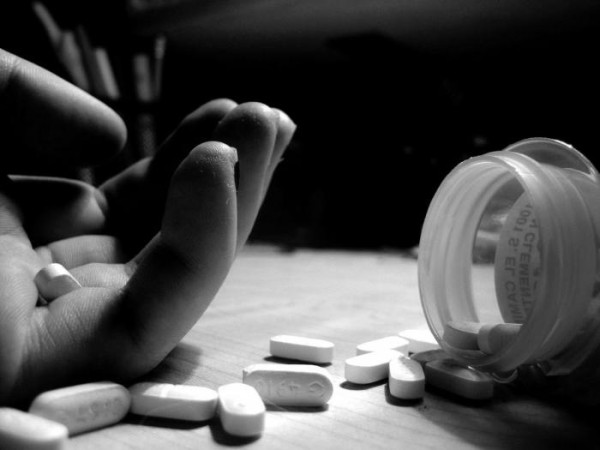
- problems sleeping at night and excessive activity during the day;
- deterioration in school performance and negative attitude towards the educational institution;
- desire to be alone and avoidance of communication with both relatives and peers;
- craving for alcoholic beverages, cigarettes and drugs.

If some of these signs appear, it can be judged that the teenager is depressed. It is necessary to seek advice from specialists.
A depressed teenager is usually always in a bad mood and has inhibited motor activity. Slow thinking processes may also occur. 
Causes of depression in teenagers
The main cause of depression in adolescence is hormonal changes in the growing body. All people between the ages of 12 and 18 undergo these changes. However, hormonal changes occur during adolescence everyone has varying degrees of intensity.
Some teenagers go through this period withdrawing into themselves. They can fall into lyrical moods and write sad poems. Depression in such adolescents is mild and does not require medication. Behavior is easily corrected and they return to normal, measured life.
But some teenagers go through a severe stage of hormonal surge. They may even become suicidal. Such young people are usually very suspicious and wary of others, starting from an early age. Many teenagers who are prone to depression are seen by a neurologist or psychiatrist.
This group also includes children from problem families and orphanages. A teenager whose parents are overprotective may also end up in this group, since he does not have the opportunity to develop normally and learn responsibility for his actions.
In severe cases, it is imperative to undergo a course of treatment, otherwise it may lead to a deterioration in mental condition. This can result in various psychological disorders and suicide attempts. 
The causes of depression may be associated with intrauterine pathology. Children who were exposed to infections and lack of oxygen while in the womb are also prone to depression.
Depression can also be caused by tense relationships with peers within the school setting.
The tendency to depression can be transmitted through genes. This condition is called endogenous depression. It can arise due to a minor reason such as a bad grade or a quarrel with friends.
How to treat depression in teenagers
Having noticed signs of depression in their child, parents, starting to scold and conflict with him, push him even more toward suicidal thoughts. To effectively cope with the stage of hormonal changes in a teenager, it is necessary to begin treatment at the right time. 
It is necessary to contact a psychiatrist or psychotherapist if:
- traces of self-harm in the form of cuts or broken fists were noticed on the child’s body;
- the teenager refuses to eat for several days in a row;
- suicidal thoughts can be traced through creative works or expressed thoughts;
- the child begins to behave inappropriately, often fights, enters into aggressive conflict situations and breaks the law;
- the teenager is isolated from the people around him;
- he has a progression of apathetic state.
Before starting therapy, doctors must conduct studies and tests, on the basis of which a specific course of treatment is prescribed. You cannot self-medicate and hope that the situation will resolve.
After the teenager has been examined by a neurologist, therapist and psychologist, treatment begins based on the diagnosis. It may include taking antidepressants, various vitamins, hormonal medications and stimulants. Painkillers and drugs to restore immune function may also be prescribed.
Mandatory course of therapy from depression are sessions with a psychologist. They can take place either individually or in a group. 
To prevent depression in adolescents, it is recommended:
- treat your child with understanding;
- take time to listen and help;
- accept the teenager as he is, despite his shortcomings;
- avoid criticism and conflict situations;
- show ways to resolve conflicts by example;
- get your child interested in sports.