Why do heels hurt, what could be the reason?

An even posture, a beautiful gait, a sincere smile - these are the main signs of a girl that men like. Legs are not only an important attribute of attractiveness, but also the main assistants in daily affairs. Without legs, it is extremely difficult to perform simple and familiar actions. Therefore, it is very important to monitor their health, notice discomfort in time and eliminate it efficiently. This article will tell you about heel pain, why it occurs and the best ways to deal with it.
Contents
Why do your heels hurt? 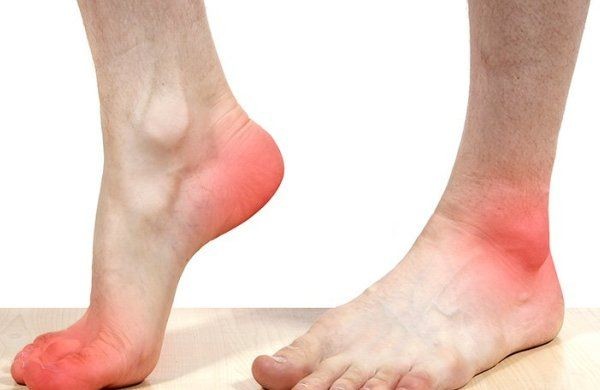

The cause of pain of this kind is easy to identify by the nature of the ailment. We bring to your attention a classification of types of heel pain, indicating the factors that triggered its onset.
Types of heel pain:
- The whining type. Occurs regardless of physical activity. It can appear at any time of the day. As a rule, it occurs due to uneven distribution of the load on the foot. Most often, this type of pain affects people who are overweight, pregnant girls, and those whose profession requires standing in one position for a long time - hairdresser, salesman, etc.
- Spicy. Usually occurs as a result of a fracture and subsequent deformation or displacement of the heel joint. The pain is sharp and radiates throughout the entire leg. Most often accompanied by swelling. May also be caused by gout or arthritis.
- Blunt. It can occur even in an absolutely healthy person after a long walk. Caused by straining the heel or straining the tendon. It may also be a consequence of a banal deposition of lactic acid in the muscle, which occurs during any physical activity.
- Throbbing. Accompanied by an increase in body temperature. Caused by the presence of an infectious disease in the body. Most often it is a consequence of the presence of an intestinal or sexually transmitted infection. When the state of rest or activity changes, the pain becomes more severe. This indicates increased pathogenic activity of bacteria.
As you can see from the list above, heel pain is not a discomfort that can be tolerated. Often this fact indicates serious disorders in the body. Don't delay your visit to a specialist.
Heel hurts when walking 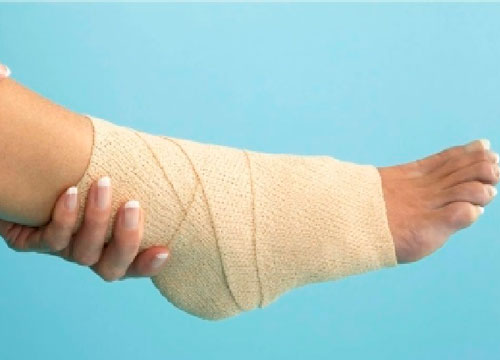

There may be several reasons for this phenomenon, check out the most common ones. Remember that only a doctor can make an accurate diagnosis. This means that only a highly qualified specialist can prescribe the correct treatment.
Causes of heel pain when walking:
- Presence of a heel spur. This is a growth on the bone, formed as a result of inflammation of the connective tissue. The pain is severe, excruciating. It may decrease slightly with physical activity. As a rule, it occurs only on 1 leg.
- Inflammation of the tissue that connects the toes and heel - bursitis. The sensations increase and subside after self-massage. But when the load on the feet is resumed, it appears again.
- Other inflammatory processes in tissues feet. For example, joints, tendons, etc.
- Walking for a long time in heels.
- Flat feet in an advanced stage.
- Injury.
- Cracked heels or other skin ailments.
Heels hurt in the morning 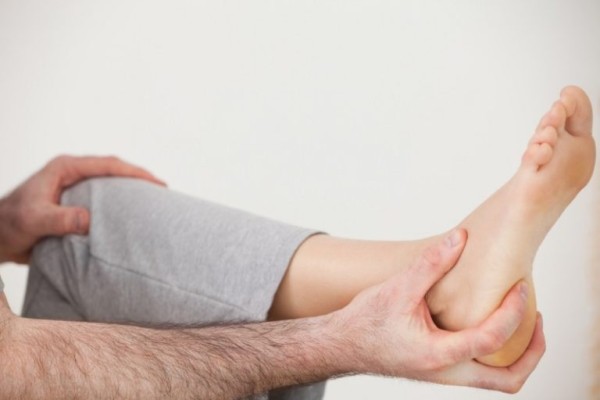

This phenomenon is not very common, but nevertheless very unpleasant. Pain at the first step can ruin your mood for the whole day. And for a rested and relaxed body, this phenomenon is completely equivalent to a shot. With constant physical activity, the sensation weakens, as if the heel is “warming up”.
Often, it is with this type of discomfort that people are least in a hurry to see a doctor. After all, it is periodic in nature. However, this is wrong. Don't be negligent about your body's signals.
The main causes of heel pain in the morning may be the following factors:
- Fasciitis. Sprain and regular excessive load on the ligament. As a rule, this is accompanied by microscopic tears of the ligament tissue, precisely at the site of attachment of the heel. Complete rest of the limb is necessary for recovery. Often people do not listen to this signal and continue to live an active life. Thereby aggravating the situation. Pregnant, obese and people with flat feet are at risk.
- Advanced fasciitis leads to the formation of heel spurs. This is a much more unpleasant and difficult to treat illness.
- Arthritis.
- Shoes with very thin and flat soles. For example, girls' favorite ballet shoes.
As can be seen from the material above, any heel pain is an inflammatory process. Don't put off visiting an orthopedist.
How to treat heel pain 

Remember that self-medication can have the opposite effect. Health is not something to joke about.
We invite you to familiarize yourself with the most effective ways to relieve pain at home:
- Fascia massage. If you pull on your big toe, a tight vein will appear on your foot. This is what you need to massage, warming it up. After just 5 minutes of rhythmic stroking in this area, you can feel the effect.
- Exercise for the fascia. Place your foot on the bones that are located under your toes. Simply put, stand on your toes. Without changing the position of your feet, squat down. Then kneel down, placing your buttocks on your heels. 3 minutes a day is enough to avoid problems with the fascia. For the initial stage of performing this gymnastics, half a minute is enough.
- Contrasting foot baths. You can add furatsilin for an antiseptic effect.
- Black radish compress.
- Ice compress. Hold until completely numb.
- Maximum peace.
- Ointments such as Dimexide or Fastum-gel.
- Foot massage with a small ball. The ball should be rolled on the floor with your foot. It would be good if the accessories had massage points or spikes.