Childhood aggression: what are the causes and how to get rid of it

To know how to cope with childhood aggression, you need to understand what it is. Aggression in children is a method by which they express their anger and dissatisfaction through a negative attitude towards everything around them. Adults often confuse attacks of aggression with whims. Let's talk about this in more detail.
Contents
Manifestations of childhood aggression
The manifestation of childhood aggression is quite common in many families. Children experience bursts of negative activity, which are expressed by the child's terrible behavior. Breaking a toy, tearing a book, biting another child or one of the parents - these are the most obvious signs of aggression in a child. Some, fearing a repetition of such behavior in the child, begin to isolate him and take him away from the playground. But is this right? This will only lead to the child withdrawing into himself, and outbursts of aggression may, on the contrary, become more frequent.
Almost every family with a child sooner or later faces such a problem, and they can quite easily resolve the situation themselves. But in cases of aggression accompanied by nervousness, it is necessary to immediately contact specialists so as not to lead to a worsening of the situation. 
Reasons for aggression
In order to really help a child cope with aggression, it is necessary to understand the reasons that led him to such behavior. The manifestation of negative emotions in children can be provoked by incorrect behavior of parents, various diseases, social factors or age-related characteristics, so-called crises.
There are several main reasons for the manifestation of aggression in children:
- the child’s special temperament and state of the nervous system;
- a feeling of constant fear or frequent stress, which leads to self-doubt;
- not entirely correct upbringing on the part of adults, for example, if the child is left to his own devices;
- copying, i.e. with his behavior, the child reflects what he constantly observes in the surrounding space (in kindergarten, at home, on the street);
- the child’s desire to stand out and be a leader.
Also, aggression can manifest itself in children with physical or psychological illnesses as a result of ridicule from other children, the inability to do something like everyone else.
Aggressive child what to do
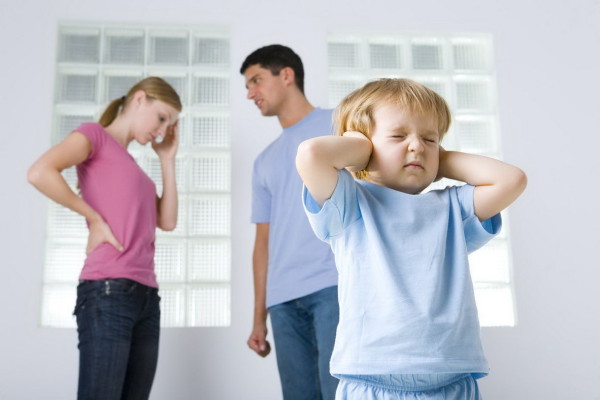
First of all, you need to be sensitive parents and pay attention to even minor changes in your child’s behavior. It is easier to solve any problem when it is just beginning to gain momentum, rather than correcting the bitter consequences. Therefore, in order not to initially provoke a child to show aggression, it is necessary to create a favorable environment around him, without quarrels and screams. Also, we must not forget about the effect of the TV and computer, negativity pours out of them in a continuous stream, so it is necessary to limit and control viewing. 
A child should feel important and needed, he should feel loved always and everywhere, in any situation. Since children are a reflection of adults, you cannot scold a child for his misdeeds by humiliating him. Under no circumstances should you physically punish a child.
Children do not perceive information well the first time, but if you constantly say, giving specific examples, that biting, pinching, and fighting are not good, then he will perceive such bad behavior as negative, and will not do so. And in order to consolidate what has been learned, it is necessary to show love, affection, care, mutual assistance by your personal example, and you should never discuss a child’s bad behavior in front of him. You should stop aggression at its source, and constantly, both in your own child and in other people’s children. 
There are various play-based activities that help reduce aggressive behavior in children. For example, ask the baby to draw on a piece of album paper the reason for his aggressive behavior, and then offer to tear it up.
You need to be able to properly punish children. As a result, they should show a desire to improve, and not become even more embittered. It is also necessary to give the child the opportunity to express his emotions through play, or in some other alternative way. To get rid of negative emotions, a simple pillow can help, which should be given to the child in the form of a punching bag.
How to make a child kind
It turns out that in order for the child not to be aggressive, parents need to follow several rules:
- Create an atmosphere of love and care in the family.
- No display of adult aggression in front of the child, including that directed at him.
- Trust your child.
- Do not demand unquestioning obedience from children; they are the same people, just small ones, who also have their own opinions and desires.
- Do not suppress initiative, let the child open up and show himself.
- No punishment in the form of angry shouts or comments.

For parents whose child is already showing aggression, it is important to remember that they should not scold the child, but help him cope with the problematic situation, for which, first of all, find out the reason for its occurrence, and then show possible ways out of the current situation. You need to be patient and start changing your child for the better by starting to change yourself. The most important thing is that the child should always be surrounded by love.