How does hair behave during pregnancy?

During pregnancy, a woman's physical and emotional state undergoes major changes. Against the background of a hormonal surge, these changes can be both positive and negative. In particular, while expecting the birth of a baby, expectant mothers may notice metamorphoses associated with their appearance, such as skin, nails and hair. Some ladies are luckier; their hair becomes thicker and the structure of the hair shaft is strengthened. Other women complain about hair loss, loss of shine or excessive sebum production. What other problems can you encounter during pregnancy? And how to care for your hair to minimize risk factors?
Contents
How hair changes during pregnancy
An improvement or a sharp deterioration in hair quality depends on the balance of two main hormones in a woman’s body - estrogen and progesterone. The production of estrogen is responsible for the beauty and youth of our skin, nails and hair, but at the same time, progesterone is simply necessary during the interesting situation of the expectant mother, because it allows you to maintain pregnancy and carry the baby without any problems.
Let's take a closer look at the stages of pregnancy and its effect on hair condition:
- In the first trimester of pregnancy, a woman’s body experiences a powerful hormonal shock, all systems are rebuilt in a new way, and such an unpleasant phenomenon as toxicosis often occurs. During this period, a pregnant woman cannot eat a full and varied diet, which causes a deficiency of vital microelements and vitamins. Therefore, it is not surprising that the problems that existed before are getting worse - dry hair becomes even more brittle and lifeless, and the oiliness of hair that was previously oily increases.
- With the beginning of the second trimester, the woman’s general condition usually returns to normal. She begins to eat properly and nutritiously, including healthy foods, proteins, fresh fruits and vegetables in her diet and reducing the consumption of sweets and fatty foods. This has a beneficial effect on the condition of the hair. In addition, at this moment there is an increased production of the hormone progesterone, due to which the life cycle of the hair shaft increases, they fall out much less frequently, so the hair actually becomes thicker.
- The same can be said about the third semester. If a pregnant woman avoids stress, eats a varied diet, and her condition proceeds without serious complications, then the hormonal levels remain stable, and by this time the hair grows back and gains shine.
If during pregnancy there is a threat of miscarriage or a woman suffers from late toxicosis, then due to stress, dehydration and nutritional deficiency, the skin, hair and nails undergo negative changes. 
Why does hair fall out during pregnancy?
There are many factors that influence hair loss, not all of them are directly related to the interesting position of women. Here are some of them:
- regular stress, nervous tension, lack of sleep;
- deficiency of nutrients, vitamins and microelements;
- various disorders in the functioning of internal organs;
- ailments related to the functioning of the thyroid gland;
- decreased immunity;
- previous diseases;
- exacerbation of chronic ailments.
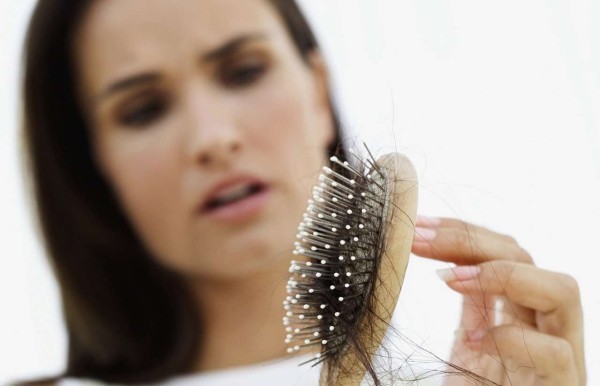

In addition, the hormonal changes that occur in a pregnant woman's body can be unpredictable. Due to this, the hair type often changes dramatically: sebum is secreted more intensely, the hair shaft becomes weakened and breaks off, curly hair straightens, and straight hair becomes frizzy.
During the period of bearing a baby, the main part of the nutrients goes towards its growth and development; the nutrition of the hair follicles is significantly reduced, which leads to deterioration in hair quality and hair loss. The lack of calcium, zinc, iron, and protein is especially acute in the 2nd and 3rd semesters; not only hair suffers, but also nails, teeth, and joint pain appears. 
Is it possible to dye your hair during pregnancy?
Hair coloring in pregnancy period, like their haircut, were considered unacceptable in ancient times. Nowadays, most would consider this a stupid superstition, but for many centuries people have endowed hair with a certain magical power, which contains human vitality. Any intrusion into subtle matters inevitably led to disastrous consequences - illness and even death. But does the ban on hair dyeing have any scientific basis?
Doctors also do not have a clear answer to this question. If you look at the composition of any coloring agent, then, obviously, we will not find anything useful there, because they are all a chemical product. Yes, during dyeing, harmful substances (resorcinol, ammonia, hydrogen peroxide) are unlikely to penetrate a woman’s blood through the skin, another question is that chemical vapors can cause severe poisoning and allergic reactions, and this will negatively affect the body, some even compare paint vapors to cigarette smoke. In addition, a woman’s hormonal background constantly undergoes changes during pregnancy, so the result of coloring can become very unpredictable.

Tips and tricks for hair coloring during pregnancy:
- A radical change in image and experiments with appearance is not the best time during pregnancy, especially if you suffer from allergies and toxicosis.
- You shouldn’t take risks and dye your hair at least in the first trimester, when all the baby’s vital organs and systems are developing.
- Dye your hair no more than once per trimester, give preference to natural shades that are as close as possible to your color, so as not to worry about regrown roots.
- Give up permanent dyes for a while, choose more gentle products that do not contain ammonia, and natural dyes - henna, basma, as well as tinted shampoos.
- Before dyeing, do a test - apply the product to a strand of hair and evaluate the result after some time.
- Entrust the procedure to professionals; be sure to notify the specialist about your situation so that she can choose the appropriate coloring method.
Is it possible to cut your hair during pregnancy?
In ancient Rus', women did not have a choice whether to cut their hair or not, especially when it came to pregnancy. The fact is that our ancestors firmly believed that a certain power is concentrated in the hair, which protects a person from illnesses and adversity. There was also a superstition that if a pregnant woman’s hair is cut, the child may be born dead. Now almost no one believes in ancient superstitions, because from a medical point of view it is in no way justified.
For most women, the need for a haircut while carrying a child disappears altogether, because the quality of the hair improves, there is no need to cut the ends, the hair already looks healthy and strong.
But what if you have a fashionable haircut? Obstetricians and gynecologists assure that cutting hair during pregnancy does not cause negative changes in the development of the fetus, this is confirmed by numerous mothers who calmly visited the hairdresser and at the same time carried and gave birth to healthy babies. Therefore, a woman is free to do whatever she wants with her hair, as long as it brings psychological comfort and positive emotions. 
How to care for your hair during pregnancy
New mothers often face the problem of hair loss and a sharp deterioration in their quality, the same hormones are to blame. Considering that a newborn baby is unlikely to allow a woman to solve her problems in beauty salons, you should take care of the health of your hair during pregnancy, even if there are no visible problems at the moment
- If you want to completely protect yourself and your baby from exposure to chemicals, use hair wash products that do not contain sulfates or prepare egg shampoo at home. Otherwise, the recommendations remain the same - wash your hair as it gets dirty in water at room temperature.
- When you don’t want to wash your hair every day, but want to freshen up a little, use tea solutions or decoctions of various herbs to rinse, which will help strengthen your hair and give it a healthy shine.
- Nourish the hair structure weekly with special masks made by hand from ordinary products - eggs, sour cream, honey. If desired, add a decoction of herbs, essential oils, clay. Before applying the mask, be sure to test the composition on a small area of skin.
- Regarding hairstyles, then during pregnancy it is better to provide maximum freedom to your hair by abandoning tightly braided braids, elastic bands and hairpins.
- In any weather, protect your hair from the negative influence of natural factors.
- To provide your hair roots with enough oxygen, comb your hair at least 5 times a day and do self-massage.