The benefits of dried fruits

As summer ends, seasonal fruits and vegetables are running out. Some of them can be preserved, but a significant proportion of the vitamins in them will be lost. You can replenish your supply of essential microelements, minerals and vitamins from dried fruits. Dried apricots, raisins, dates, figs, dried apples and pears - all these products are available for sale all year round. A special drying technology preserves nutrients and ensures long-term preservation of dry dried fruits.
Contents
What dried fruits are healthy? 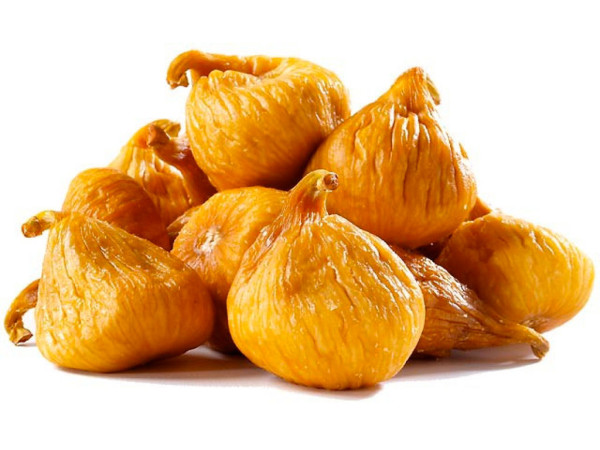
Each type of dried fruit contains its own beneficial substances, recommended for various diseases or to increase the overall tone of the body:
- Dried figs are light brown in color. The product is rich in vitamins A, C, group B, and is recommended for vitamin deficiency. It also contains trace elements: sodium, phosphorus, iron, potassium and calcium. Figs have a positive effect on the cardiovascular and nervous systems. With low hemoglobin, iron-rich figs help increase the number of red blood cells in the blood. Despite the high sugar content, dried fruit restores the functioning of the digestive system and lowers the level of bad cholesterol. If you are sick with bronchitis, whooping cough or have a severe cough, then a decoction of milk and figs will soften your respiratory tract, will reduce cough.
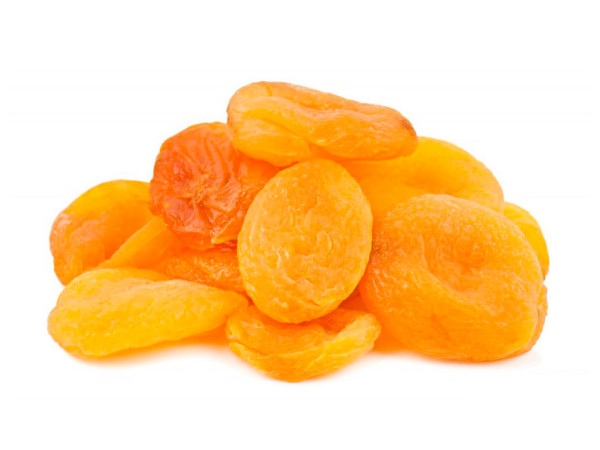
- Dried apricots are dried apricot fruits. The product is characterized by a high content of magnesium and potassium, iron, and phosphorus. Dried apricots contain a lot of plant fiber, which helps cleanse the intestines and normalize the functioning of the gastrointestinal tract. In case of anemia and general weakness of the body, dried apricots increase blood hemoglobin. The product cleanses blood vessels and reduces the likelihood of them clogging. The bright color of the dried fruit improves mood, vitamins improve the immune system and vision.
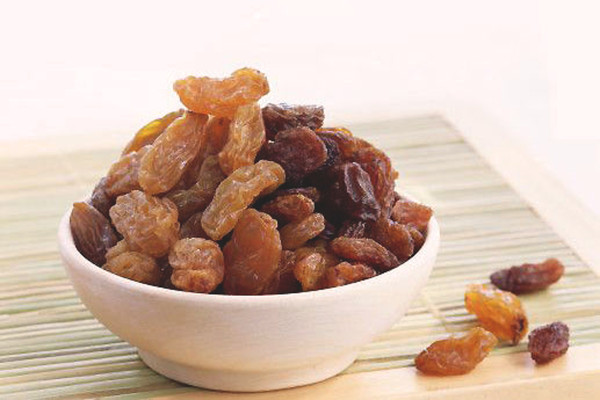
- Raisins are the leader among dried fruits in terms of the content of vitamins A, C and group B. They have a calming effect on the nervous system, improves sleep and improves mood. Rich in microelements: potassium, chlorine, phosphorus, magnesium, it is indicated for diseases of the cardiovascular system and impaired vision. Dark raisins contain more iron than light ones; they are useful for low hemoglobin, especially in children and pregnant women. After illness and during periods of vitamin deficiency, raisins fill the body with nutrients and strengthen it.
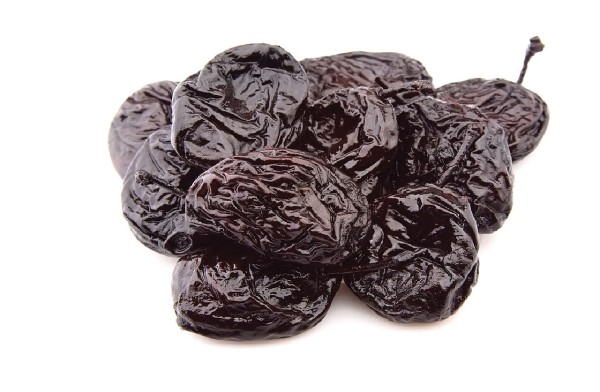
- Prunes are known for their mild laxative effect. It cleanses the intestines, removes toxins and reduces hunger due to its high dietary fiber content. Dried fruit is produced by smoking or drying. Prunes contain a lot of iodine, manganese, iron and copper; they improve metabolic processes. Potassium and calcium in its composition strengthen the heart and blood vessels. B vitamins are indicated for physical and mental stress.
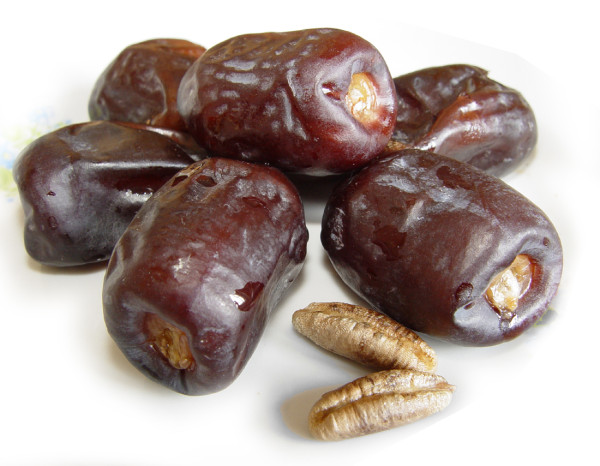
- Dates contain a lot of pectins, which cleanse the body of waste, accumulated heavy metals and toxins. They improve the functioning of the cardiovascular system and psycho-emotional state. Dried fruit contains useful microelements: sodium, aluminum, potassium, zinc, cobalt, phosphorus. Regular consumption of dates helps lower blood pressure, increase in hemoglobin.
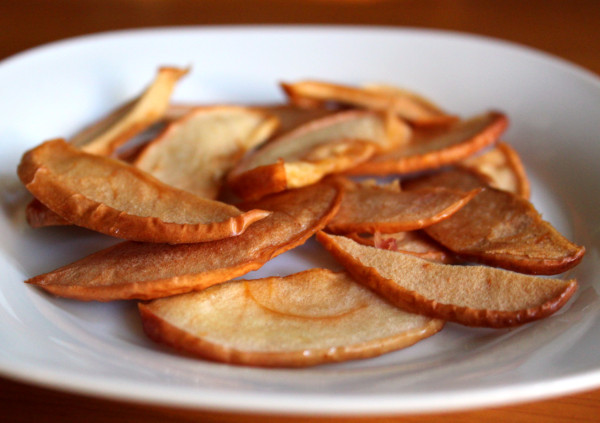
- Dried apples are a source of ascorbic acid and pectin. The product is rich in tannin, which improves blood circulation, prevents infections of the genitourinary system and normalizes blood circulation. Dried apples contain many vitamins B, K, C. The product is rich in glucose and fructose. A decoction of dried apples helps relieve fever, relieves thirst, and relieves swelling.


In addition to the beneficial effects on the body, dried fruits have a pleasant taste and smell. Children can use them instead of sweets.
Harm of dried fruits
Like any other food, dried fruits should be consumed in moderation. There are also contraindications to their use:
- The high calorie content of dried fruits imposes restrictions on their consumption for any degree of obesity.
- The high sugar content in these products is not recommended for diabetes.
- It is forbidden to eat dried fruits during an exacerbation of duodenal disease or stomach ulcers.
If you have allergic reactions or individual intolerance to certain types of dried fruits, they should also be excluded from the diet.
How many dried fruits are there?
Tasty and sweet dried fruits should not be eaten in kilograms, not only by those who are on a diet. The recommended intake is no more than 200 grams per day, and if you are overweight, no more than 100 grams. It is better to divide the total volume into 2-3 doses.

In the morning you can add them to porridge, cottage cheese, or eat with toast. Dried fruits eaten in the first half of the day supply the body with carbohydrates that charge you with energy for a long time. At lunch, dried fruits are added to soups, casseroles or vegetable salads. They complement the nutritional value of dishes and help satisfy hunger. For dinner or an afternoon snack, a few dates with prunes and dried apricots can replace a full meal or be used as a healthy snack. And if you want something sweet before bed, a small handful of raisins will save you from nighttime overeating.
The greatest benefits for the body are mixtures of different dried fruits. All types contain different useful elements, their combination will allow you to get everything necessary for different body systems.

Before eating, they should be washed under running water and then left in boiling water for 5 minutes. The dried fruits will swell a little and become softer, sand and other dried dirt will remain in the water. Also, soaking is a disinfecting procedure; on the surface of many fruits there are parasite eggs. To reduce appetite, drink a glass of water before eating dried fruits. Then slowly dissolve 2-3 dried fruits. After 10 minutes you will feel full.
Can children have dried fruits?
Sweet dried fruits can be a healthy substitute sweets. You need to accustom your child to them gradually, starting with 1-2 pieces a day. This way you can notice signs of an allergic reaction if it occurs to a specific dried fruit. But even after completely introducing the product into the child’s diet, you should not give more than 5-7 pieces of prunes, dried apricots, dates or a small handful of raisins per day. After eating, it is advisable to give water or unsweetened tea.

As for age restrictions, pediatricians recommend introducing dried fruits after 11 months of age. The first thing the baby is given to try is dried apples, pears, and cherries. Compotes are prepared from them, added to porridges, and decoctions are prepared. All vitamins are preserved in the decoction, so they are most beneficial for children. For the decoction, pour boiling water over the washed dried fruits, cover the pan with a lid, wrap it with a towel and leave for 2-3 hours. After 2 years, a child can prepare cottage cheese with chopped dried apricots and baked goods with raisins.
How to make dried fruits
In summer, you can prepare dried fruits from seasonal fruits, and you will be confident in the purity and quality of the product. For drying, select slightly unripe fruits; too ripe ones will quickly spoil. First, they are cut into slices, pieces, or used whole. You can dry fruits in the sun or using a stove or oven. Special dryers can be used.

The optimal temperature for processing dried apricots and prunes is 70 degrees; apples and pears require a higher temperature, at least 80 degrees. When drying, the temperature can be increased gradually. In warm air, the pieces will dry out, then excess water will be removed, after which the drying itself will begin.
If an oven is used, then the slices are laid out on baking paper or cloth in one layer and placed on a wire rack. When drying, the slices are turned over so that the product cooks evenly. It is important to ensure a constant flow of air. Cooking time depends on the variety and moisture content of the slices. Readiness is checked by pressing: if no juice comes out, then the product is ready.

If fruit slices are to be dried in the sun, they are first laid out in the shade in a draft. Then the trays with the pieces are placed in the sun and kept for 5-6 days. It is convenient to dry slices of apples and pears strung on ropes, which are hung in a ventilated area. This drying will take 2-3 weeks, but the resulting apple slices will retain all the beneficial substances.

Store prepared dried fruits in linen bags or glass jars with lids. You cannot place such bags next to spices or herbs, they will pick up the smell.
Mixture of dried fruits and honey
A nutritious mixture of dried fruits and honey helps normalize heart function. When eaten on an empty stomach, they promote proper digestion and cleansing of the body. The recipe for the mixture comes from antiquity, which is why it is called Hippocrates paste.

To prepare it, you need to take 100 g of figs, prunes, dried apricots, walnuts and 30 g of honey. If you need to get a larger volume of paste, then increase the ingredients proportionally. First, all dried fruits are washed with running water and dried. Mix the ingredients in a blender bowl and grind. The finished paste is stored in the refrigerator and consumed 1 tsp. 3 times a day.
The special value of dried fruits for the body is that they contain natural vitamins that affect the body deeply but gently.