Sage: benefits, harm, application
It is not for nothing that many people prefer traditional medicine. With its help, you can cure various ailments inexpensively, efficiently and without side effects. At the same time, using only the gifts of nature. What could be better? The hero of this article is a plant that is widely used not only in traditional medicine recipes, but also in cosmetology and pharmaceuticals. We will talk about sage, its benefits, harm, how and why to use it.
Contents
Benefits of sage 

Sage has so many beneficial properties that it has even been awarded the title of “Herb of the Year.” The International Herbal Association made this decision in 2001.
It is believed that only the part of the plant that is located above the ground has healing power. That is, the stem and inflorescences. This plant contains a high concentration of useful substances such as:
- flavonoids;
- tanning elements;
- esters;
- camphor;
- vitamins B1, P;
- vitamin A, in such a high concentration per 100 g of dry product that it can exceed the daily norm by 2 times;
- vitamin C predominates in fresh leaves and amounts to 545 of the daily value per 100 g;
- minerals - magnesium, calcium,
- phosphoric and nicotinic acids.
This wonderful flower is used to get rid of many ailments. The name of this plant, translated from Latin, means “health.” And sage fully lives up to its name. The scope of application of this plant is extensive, the effect can be detected almost immediately.
Positive effects of sage on the human body:
- relaxation nervous system;
- eliminating the problem of restless sleep or insomnia;
- strong natural antiseptic;
- general strengthening of the whole body;
- regulation of blood clotting, stopping bleeding;
- strengthening the immune system;
- activation of the gastrointestinal tract;
- helps bruises and contusions resolve more quickly;
- treats various inflammatory processes, including the genitourinary system;
- relieves pain from ulcers;
- relieves itching;
- helps the skin recover, useful for frostbite;
- has a beneficial effect on the nervous system, indicated for use during nervous situations or depression;
- strong natural phytoestrogen;
- quickly copes with inflammatory processes in the oral cavity - caries, sore throat, stomatitis;
- decrease in body temperature, elimination of fever;
- good mucolytic;
- has a beneficial effect on brain function, in particular, improves memory.
In addition to dry raw materials, sage essential oil is quite well known. In terms of its effectiveness, it is in no way inferior to flowers. Only its properties have a more pronounced effect:
- diuretic;
- cleanses the body of waste and toxins;
- normalizes the functioning of the cardiovascular system and blood pressure levels (increases);
- dilates blood vessels - relieves spasms;
- improves blood flow in the brain;
- balances hormonal levels, relieves menstrual pain;
- activates the female reproductive system;
- improves skin, rejuvenates;
- has a beneficial effect on hair condition;
- gives the body strength and invigorates;
- treats skin rashes, psoriasis;
- regulates blood cholesterol levels;
- increases endurance, both physically and mentally;
- regulates sweating.
Harm of sage 

The modern trend of switching to everything natural is very reasonable. If a person cares about his health, why should he be “treated” with chemistry? After all, whatever one may say, chemicals are harmful and shorten life expectancy.
Neglecting the duration of the course of treatment can cause various side effects. The most common of which are the following:
- headache;
- nausea;
- vomit;
- diarrhea;
- rash.
You should not completely switch to the sage diet, guided by the desire to recover as soon as possible. You should not consume this flower more than half a glass of decoction 2 times a day.
Uses of sage 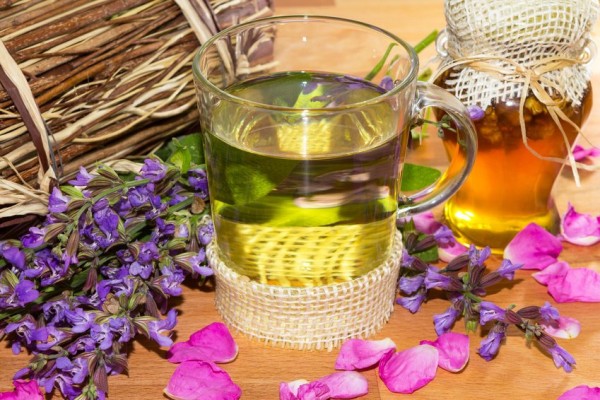

Research by European scientists has confirmed the positive effects of using this plant for medicinal purposes. It is recommended to use sage as a decoction for rinsing in the following cases:
- caries;
- pulpitis;
- angina;
- stomatitis;
- hoarseness and loss of voice;
- weak and sensitive gums;
- inflammation of the tonsils.
The use of a decoction of the flower internally is indicated for diseases such as:
- disturbances in the gastrointestinal tract;
- depression;
- problems with sleep quality;
- insomnia;
- inflammatory processes of internal organs;
- low blood pressure;
- heart rhythm failure;
- problems in the women's sphere;
- the desired pregnancy does not occur;
- high temperature;
- dry cough;
- memory impairment;
- excessive sweating;
- bleeding - uterine, hemorrhoidal;
- absent-mindedness and deterioration of GM performance;
- frequent dizziness, etc.
In addition to the obvious healing effect for the body, sage is also beneficial for beauty:
- improves the condition of skin and hair;
- helps accelerate epithelial recovery;
- solves the problem of hair loss;
- returns shine to dull curls;
- rejuvenates the skin;
- fights dandruff;
- regulates the functioning of the sebaceous glands; eliminates skin rashes, psoriasis.
- For cosmetic purposes, a decoction or powder of the plant is used. It is prepared very simply - 1 tbsp. dry or fresh sage leaves per glass of boiling water. Pour in and let sit. Wipe your skin with the resulting liquid or rinse your hair after washing.
There is a good remedy to combat alopecia. By the way, you can also try it as an assistant in the fight against male pattern baldness. Mix a tablespoon
olive oil and 3 drops each of sage, rosemary and peppermint oils. The resulting mixture must be slightly warmed and used for head massage 2 times a day for 3 months. Effective hair growth product:
Place a spoonful of rosemary leaves and a spoonful of sage with a little water.
- Put it on fire.
- Bring to a boil, reduce heat and simmer for 3 minutes.
- Let it sit until it cools completely.
- Rub the resulting mixture into the scalp during a massage.
- For facial skin it is better to use ether. Add a couple of drops of sage oil to any base oil. The following oils are good for base:
olive;
- peach;
- grape seed;
- wheat sprouts;
- avocado;
- roses.
- It is recommended to wipe oily and problem skin with sage decoction. You can pour it into ice cube trays and freeze it. This will provide additional stimulation to the skin, which will help tighten it and restore its elasticity.
In pharmacies you can find sage lozenges. This remedy is used for inflammatory processes in the mouth and throat. The tablets are made from natural raw materials and have a high concentration of beneficial properties. One tablet replaces 2.5 g of sage ether. What is important for people suffering from sugar surges is that the pleasant taste of the medicine is ensured without sweeteners.
Sage for resorption 

The recommended daily dose of tableted sage for adults is 6 tablets per day. Can be taken every 2 hours.
The optimal pediatric dose of the drug is 2 tablets per day. There should be at least 4 hours between doses. The course of admission is no more than 3 months.
How to take sage 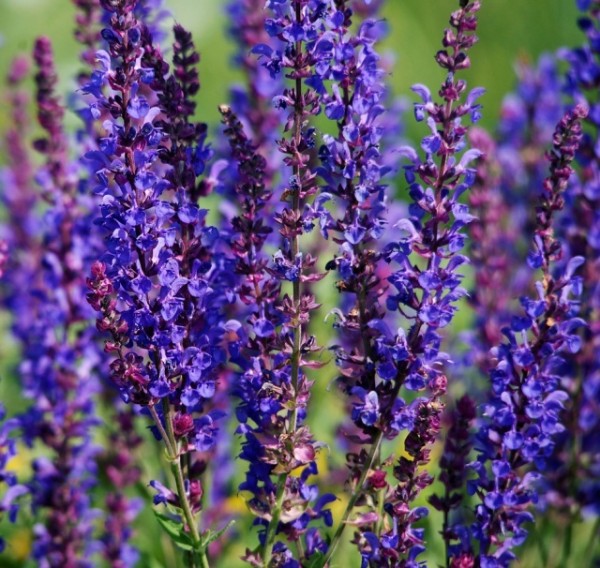

If regular therapy with sage is intended, it is recommended to carry out a course of 3 months. Then you should take a break for the same period and continue treatment. It is permissible to use no more than 3 courses in 12 months.
The maximum allowable dosage is 2 tablespoons of dry leaves per glass of boiling water. You can take this decoction no more than 2 times a day. It is good to combine sage with other medicinal herbs, for example:
- chamomile;
- St. John's wort;
- yarrow;
- oak bark;
- oregano;
- calendula;
- rosemary
Remember the golden rule of medicine - everything is good in moderation.
Sage for conception 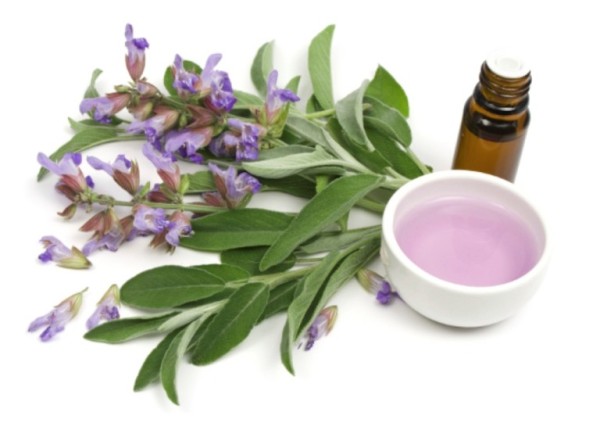

Be sure to check your health and that you have no contraindications for use. To do this, go through a medical examination and take the necessary tests.
Only after making sure that the use of this medicine will be beneficial for you can you begin therapy. To activate the work of the ovaries and speed up the process of conception, you need to:
- Make a decoction of sage seeds. To do this, simply pour boiling water over the raw materials purchased at the pharmacy and let it brew until it cools completely.
- The resulting decoction should be drunk 2 times a day, in accordance with the cycle. In the morning on an empty stomach, in the evening before bed.
- It is necessary to start therapy in the first part of the cycle, immediately after the end of menstruation.
- The end of the course coincides with the first day of expected ovulation. As a rule, ovulation occurs on days 12-14 of the cycle.
- The course of treatment is 3 months, if the result is not achieved. It is recommended to take a 2-3 month break and continue therapy.
- If the desired pregnancy occurs, stop using it immediately, no matter how long is left until the end of the course.
It is acceptable to use 1 teaspoon of fresh herb juice 2 times a day. 30 minutes before meals.
Sage to stop lactation 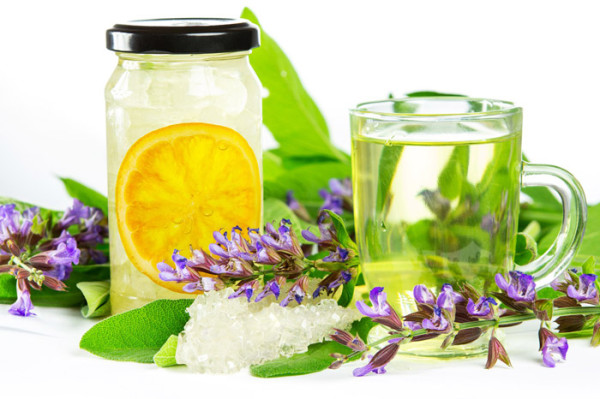

This herb is great for reducing breast milk supply and stopping breastfeeding altogether. Because it acts quite gently, this is due to the fact that the plant is a phytoestrogen. This means that the concentration of the hormone in it is lower than in the body of a non-breastfeeding woman. Sage is also used to stop lactation because it does not affect the mother’s hormonal levels, which means that the baby will not receive excess hormones. The process of completing breastfeeding occurs gradually, almost naturally, which minimizes the risk of complications.
It is also good to use this remedy if the mother produces too much milk, which causes congestion in the milk ducts.
For this purpose, a small amount of sage infusion is used. It is recommended to consume up to 0.5 liters of decoction per day. In this case, it is worth completely removing other liquids from the diet. Ether is not suitable for this purpose. But it helps heal cracked nipples well.
Step-by-step instructions for stopping lactation:
- Express the milk completely, leaving your breasts as free as possible.
- Brew the decoction. A tablespoon of dry leaves per glass of boiling water.
- If your breasts begin to fill with milk, causing discomfort, express. Use in rare cases.
- It is not recommended to tighten the chest. There may be a risk of congestion or mastopathy.
- To reduce discomfort, use cold compresses.
- If your body temperature rises, seek professional help.
Sage during pregnancy 

Ingestion of this medicine while expecting a baby is strictly contraindicated. Because sage stimulates the uterus, and this can lead to miscarriage.
During pregnancy, you can use the essential oil of this plant for aromatherapy. Inhaling sage vapors will help relieve irritability, relieve stress and solve sleep problems.
Is sage okay for children? 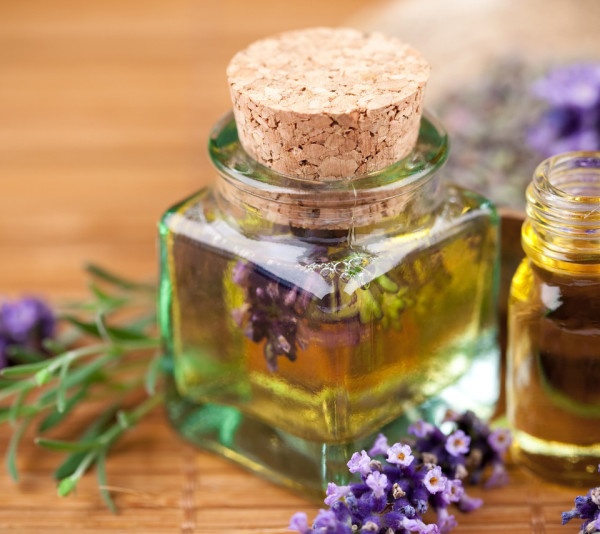

It is possible and even necessary. Because sage has immune-strengthening properties. After all, children so often get all sorts of colds. Copes well with germs and inflammation. Reduces temperature. What is equally important in childhood is that when used correctly it does not cause side effects or an allergic reaction.
Plus, this remedy is good for increasing concentration. Which is very important during school.
A sage infusion for a child is made in the same way as for adults. A spoonful of leaves per glass of boiling water. You just need to steep it for a couple of minutes, then strain. Add honey and lemon and offer it to your child instead of tea.
The optimal dose for a child is 200-300 ml per day, with a maximum of 400 ml per day. The drink should be unsaturated.
The broth for rinsing should be thicker. 2 spoons per 200 ml of hot but not boiling water. Gargle or gargle 3 times a day for 2 minutes.
It is also good to use sage decoction as a solution for inhalation. Brew equal parts sage and eucalyptus. The resulting liquid can be diluted with saline. solution and use in a nebulizer. You can just breathe, “the old fashioned way”
Sage contraindications 

Any effective remedy has its contraindications, no matter how natural it is. Sage is a very powerful remedy, so it is recommended to strictly adhere to the dosage. It is prohibited to use this plant in any form in the following situations:
- pregnancy - risk of miscarriage;
- breastfeeding period - estrogens will “awaken” the sleeping ovaries and the milk will disappear;
- myoma;
- polycystic disease;
- excess estrogen;
- individual intolerance to plant components;
- abuse, excess dosage;
- acute infectious kidney disease, during which active urination is harmful;
- regular problems with high blood pressure;
- thyroid diseases;
- menstrual irregularities, tendency to long delays;
- decreased functioning of the pancreas;
- taking the drug longer than the prescribed course.
Whatever good goals you pursue, still consult with your doctor about using sage therapy specifically for your clinical case.
Treatment with sage 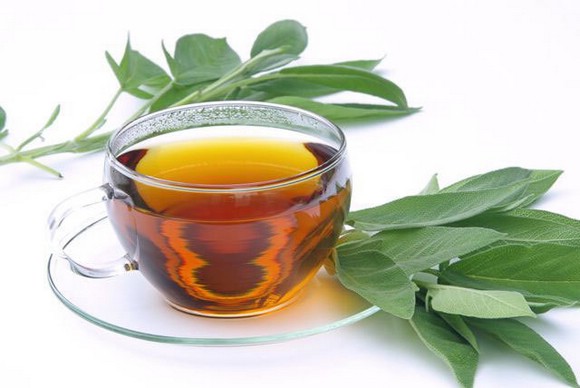

- For colitis, it is recommended to use 1 tablespoon of a strong infusion of the herb every 3 hours.
- Cotton pads soaked in a chilled sage infusion will help relieve swelling and bags under the eyes.
- For wounds and inflammation of the skin, lotions made from a strong infusion help well.
- It is good to take the infusion to prevent colds. As a general tonic and an assistant in the fight against stress.