Zinc - benefits, harms and where it is found

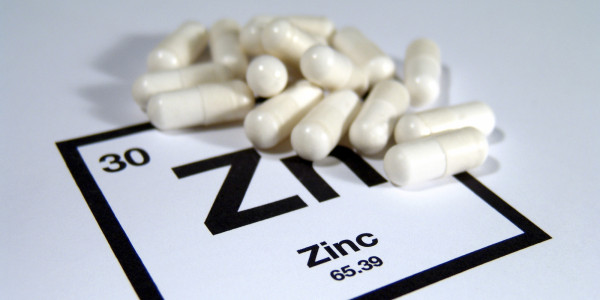
Zinc is one of the chemical elements contained in the human body, which takes part in maintaining the functioning of many organs. The main task of zinc is to activate certain cellular processes that help maintain the active functioning of the nervous system. As well as providing a beneficial effect on the human reproductive system.
Benefits of zinc

Zinc is found in literally all vital elements of the body. It is present in both enzymes and hormones, which helps keep the body in good shape.
Benefits of zinc:
- Zinc strengthens human immunity. It contains substances that help the formation of phagocytes, which kill all viruses that enter the body. If the human body lacks it, the immune system will weaken. This will lead to frequent illnesses and complications.
- Renews cells during protein synthesis. That is, due to the presence of zinc, these processes occur much faster. In addition, it is involved in the production of collagen, reduces the likelihood of allergies, and relieves dry skin.
- Promotes rapid regeneration of skin tissue.
- Helps heal burns.
- Prescribed by ophthalmologists for eye diseases. Since zinc is able to defeat cataracts, barley and other eye sores.
- The zinc content in the body is very important for women during pregnancy. Its deficiency can lead to impaired fetal development and complications.
- It has a beneficial effect on work gastrointestinal tract, improves appetite and speeds up metabolism.
- Proper intake of zinc can relieve a person from depression and apathy , protects against insomnia. Very useful for people suffering from diabetes. It helps regulate blood sugar and avoid complications.
- Benefits hair and skin. Hard and healthy nails are also thanks to zinc.

The element is used both in medicine and in cosmetology.
Harm of zinc

If you look at a pharmacy pack of zinc or some cosmetic product containing it, you are unlikely to find any contraindications. Because he has virtually none. However, there is always some “but”.
When treatment or maintaining health with zinc, it is worth remembering that it cannot be taken constantly and not systematically. Before you start using it, you should consult a doctor or cosmetology specialist. After all, an excess of zinc is extremely harmful, as is its deficiency.
It is possible to cause harm if you exceed the permissible daily intake of 150 mg. If the body is poisoned by this element, the following symptoms appear:
- cramps in the intestines;
- nausea and vomiting;
- fainting;
- bleeding may begin;
- the body feels weak.
Frequent excess of zinc in the body can lead to diseases such as:
- anemia;
- hepatitis;
- kidney disease.
Zinc itself is harmless, but its combination with other drugs can lead to disastrous consequences. It should not be taken at the same time as the following medications:
- tetracycline;
- vitamin A;
- pancreatic enzyme;
- diuretic.
What foods contain zinc?

Food is the main source of nutrients and vitamins for the body. And zinc is no exception.
Meat products that contain it:
- poultry meat;
- beef liver, beef.
Cereals:
- barley flour;
- buckwheat;
- lentils;
- soybeans
Dairy products:
- milk;
- cheese.
Vegetables and fruits (dried fruits):
- onion;
- garden herbs (dill, basil, etc.);
- garlic;
- potato;
- strawberry;
- raspberry;
- currant;
- dates;
- figs
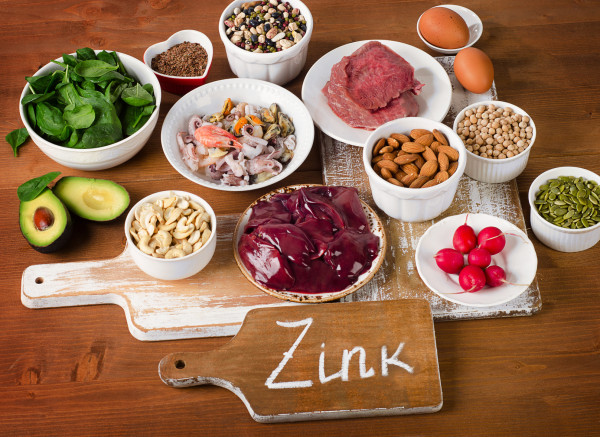

However, the largest amount of zinc is found in brewer's yeast, as well as in wheat germ.
If you include at least some of the products listed above in your daily diet, you can forever forget what a lack of zinc in the body is.