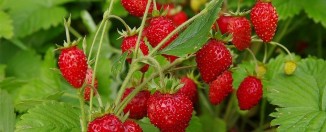
Hypoallergenic diet

Both adults and children suffer from allergies. According to doctors, this disease is one of the most common. The mechanism of the disease is not yet fully understood. But it is already known for sure that one of the factors influencing the occurrence of allergic reactions is food. Therefore, it is important to adhere to a hypoallergenic diet if necessary.
Contents
Why do you need a hypoallergenic diet?
To successfully cure allergic manifestations, it is important to follow a therapeutic diet, which involves the complete exclusion of foods that can provoke an allergic reaction from the body. To accurately determine the source of the allergy, it is necessary to conduct a special analysis. In cases where the exact allergen has not been identified, nutritionists advise you to adhere to an extended hypoallergenic diet, the diet of which completely excludes dishes that could potentially be harmful and contribute to the occurrence of allergic manifestations most often.

Hypoallergenic diet for children
Most children suffering from allergies have intolerance to several types of foods. Most often, the reaction occurs to confectionery products, chicken eggs, dairy products or fish. For such children, a prerequisite for successful treatment is adherence to a hypoallergenic diet. This food will perform not only a therapeutic, but also a diagnostic function. By correctly approaching the exclusion of foods, you can identify exactly those that cause allergic reactions.
First, you should exclude foods from the red list from your child’s diet. They are the most dangerous, and their exclusion will not in any way affect the nutritional value of the baby’s menu. Foods on the yellow list are less dangerous, but if you have an allergy, they should be consumed very carefully. If your baby has an allergic reaction to milk, then beef meat should also be removed from the menu. Products from the green list can cause allergic reactions very rarely.

Ideally dietary food for baby with allergic manifestations should be handled by a nutritionist. After all, it is necessary not only to remove the allergen from the menu, but also to maintain the necessary energy value and proper balance of BJU.
To diversify your baby’s menu while on a diet, you will have to use your imagination. The time spent preparing lunch for the child will increase, but it will be possible to come up with many useful and interesting dishes.
At a time when allergy symptoms intensify, the baby’s menu should be based on vegetable soups, possibly with the addition of cereals. During this period, it is necessary to abandon animal fats, replacing them with vegetable oils. It is best to use olive or sunflower oil. Instead of the usual bread, give your child unleavened pita bread or flatbread. Habitual drinks should be replaced with tea and dried fruit compote. If your baby loves vegetable salads, then prepare them from cabbage or cucumbers.
The duration of such a therapeutic diet should not exceed 10 days. During this time, the child’s body will fully recover; in addition, prolonged restriction in the diet can cause a deficiency of nutritional components.
During the diet, follow these recommendations:
- All dishes must be boiled or steamed.
- If you are cooking meat broth, then pour out the first water.
- Cereals must be soaked for 2 hours before cooking.
- After completing the diet period, carefully study the list of ingredients of the product before feeding it to your child. Avoid products with dyes and preservatives.
Mom's hypoallergenic diet 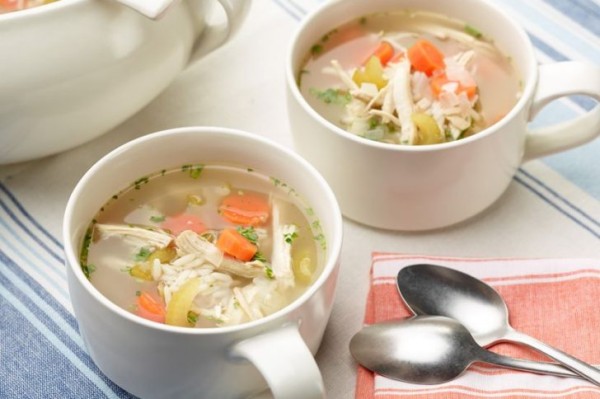

When a woman is breastfeeding her baby, it is very important for her to monitor her diet and routine. After all, everything she eats, one way or another, affects the baby’s health. The baby may experience itching, redness of the epidermis, constipation, diarrhea, and many other unpleasant symptoms. Therefore, at the first manifestations of allergies in a child, you should analyze your diet.
First of all, it is necessary to avoid foods that most often provoke allergic reactions, and consume foods with an average degree of danger with caution. You should completely avoid fatty and fried foods, giving preference to boiled or steamed food.
Ideally, a nursing mother's menu should consist of:
- Lean varieties of meat products.
- Various pasta.
- Dairy dishes and fermented milk products.
- Different types of cereals.
- Various types of vegetables and fruits, as well as herbs. Cucumbers and cabbage, strawberries and all varieties of citrus fruits should be excluded from this group.
- Bread, especially black bread, as it provokes increased gas formation in the baby.
- Olive oil.
A monotonous diet also negatively affects the baby’s digestion and can lead to allergies. In addition, all dishes should be prepared according to proven recipes, only from high-quality and fresh products.
Remember that allergic manifestations are a purely individual matter. Therefore, intolerance can appear in response to the use of any product, even the safest from this point of view. Carefully monitor your diet and your child’s food reactions.