Heart attack: causes, symptoms, first aid, prevention

There are situations in life when your heart suddenly hurts or shoots in your side. This may be caused by simple physical fatigue, or it may be a signal of serious problems in the body. This article will tell you about a heart attack, what is happening in the body at this time, what its symptoms are and how to provide first aid.
Contents
Causes of heart attack

The direct definition of this phenomenon is tissue necrosis of one of the areas of the heart, which occurs as a result of the cessation of blood circulation. The word myocardium means heart in Latin.
The main causes of heart attack are:
- prolonged vasospasm;
- thrombosis - blockage of blood vessels with cholesterol plaque;
- embolism, that is, blockage of the leading vessel;
- physical overexertion in conditions of insufficient blood supply.
Factors provoking the development of a heart attack:
- Diabetes mellitus.
- Diseases of the cardiovascular system.
- Metabolism failure.
- Increased blood cholesterol levels.
- Pressure surges, hypertension.
- Severe stress and a nervous lifestyle.
- Blood clotting disorder.
- Little physical activity.
- Gout.
- Excess body weight.
- Previously suffered a stroke, heart attack or ischemic heart disease.
- Heredity, if the above diseases occur in the family, then there is a risk of a heart attack.
The mechanism of a heart attack looks like this. The vessel becomes clogged with plaque. As a result, the blood flow creates pressure that the vessel cannot withstand and breaks. A blood clot forms at this site, which seeks to restore the integrity of the vessel. But, having sealed the damage, the blood clot continues to grow and completely clogs the hole for blood. As a result, part of the heart does not receive nutrients and dies.
Remember that men are susceptible to this disease more often than the weaker sex. This is due to the lifestyle of men. Alcohol, smoking, fatty and spicy foods, a lot of stress - all this has a completely negative impact on health.
Types of heart attack
When diagnosing a heart attack, the following forms are distinguished:
- Gastric. It seems that the source of pain is the stomach or esophagus. This occurs when the left heart ventricle is damaged.
- Arrhythmic. Accompanied by rapid heartbeat.
- Asthmatic. He is characterized by coughing and asthma attacks. You can clearly hear sputum in the lungs, but there is no pain. This type is more typical for repeated heart attacks.
- Cerebral - resembles a stroke. The main signs of this disease are weakness, dizziness, and nausea. Rarely - loss of consciousness.
- Painless. There are no pronounced sensations of pain, but there is discomfort. It’s pressing, pressing, you can’t breathe. Most often occurs in diabetics. It is considered one of the most severe forms of the disease.
There is also a classification of heart attack by type:
- anemic or ischemic;
- hemorrhagic;
- mixed, combines the characteristics of the first two types.
With an ischemic or anemic heart attack, the most common symptoms are:
- kidneys;
- spleen;
- brain;
- heart.
The cessation of blood circulation causes partial death of the tissues of internal organs - dry necrosis.
The hemorrhagic type of heart attack occurs as a result of stagnation of blood in the vessels and arteries.
The most common points of attack of this type are:
- Lungs.
- Intestines.
- Spleen.
- Brain.
The third type of disease combines the properties of both of the above forms and is accompanied by dry necrosis and hemorrhage.
Symptoms of a heart attack 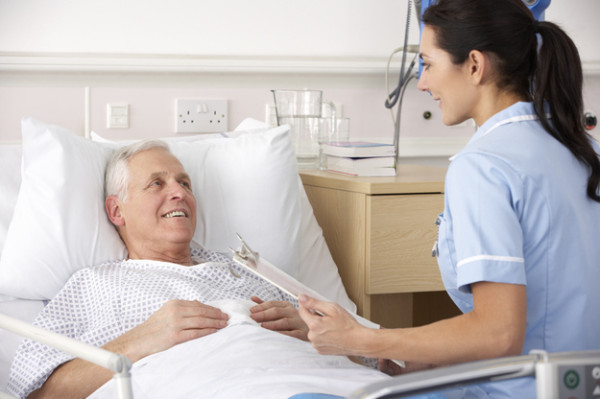

The first and most obvious sign of a heart attack is sharp, powerful pain in the chest area. The feeling is pressing, burning, squeezing, stabbing. May radiate to the shoulder or jaw. Typically lasts 5-15 minutes. Then it subsides. The nature of the sensations may change. For example, first there is a burning sensation in the chest, and then coldness.
Patients who have experienced a myocardial attack say that this is the most severe pain in their life. But it’s worth knowing that in 25% of cases, a heart attack is not so noticeable and can be confused with a common cold. Because it is accompanied by weakness and drowsiness.
The most dangerous thing is for an attack to go unnoticed, since the patient may not appreciate the seriousness of what is happening to his body. And if you don’t call an ambulance in time, the risk of dying in the coming hours increases significantly.
The pain can cause the sensation of ordinary angina, but has its own characteristic features:
- does not go away after taking the medicine;
- accompanied by weakness, increased sweating, drowsiness, shortness of breath;
- an incomprehensible feeling of anxiety, panic;
- may go along with head spasms or dizziness;
- in rare cases, the only sign of a heart attack is sudden cardiac arrest.
Remember that pain should not be tolerated under any circumstances. Contact a specialist immediately. You should not wait for obvious signs of an attack. Seek help if you feel something similar to symptoms of myocardial failure. This will help reduce the risk of complications, and maybe even save lives.
The severity of pain does not indicate the severity of the injury. It is possible that with mild pain, a significant area of the heart is damaged or serious complications will arise later.
Main symptoms of a heart attack:
- Pain syndrome, tightness in the chest - a feeling of discomfort, burning, squeezing. These symptoms tend to disappear and return for some time.
- Pain in the entire upper body, accompanied by tingling throughout the entire area of the affected part. It can radiate to the shoulders, arms, jaw, lower back.
- Discomfort in the stomach, accompanied by nausea, vomiting and a strong burning sensation similar to heartburn.
- Anxiety: a feeling of panic for no real reason.
- Blueness of lips and fingers.
- Pale skin, increased sweating.
- Dizziness, increased sweating. Excessive sweating at complete rest is accompanied by a sharp cooling of the skin.
- Difficulty breathing - there is shortness of breath and failure of breathing, it is difficult to take a deep breath, it occurs even before compression of the chest and pain.
Despite the exact description of symptoms, each patient has a different combination, no two heart attacks have the same symptoms.
Ignoring these symptoms can lead to future disability or even death. Remember that about 15% of all heart attacks result in death. Don't joke with your health or even your life.
First aid for heart attack 

In connection with the increasing incidence of heart attacks, both in the elderly and in the young, a certain first aid scheme for a heart attack has been developed, which must be followed exactly in order to save a person’s life.
- Calling the ambulance service to get paramedics and reducing the time between the first sign of a heart attack and the doctor's initial actions. Therefore, it is best for the ambulance to be met by one of the relatives to speed up its arrival at the place.
- Taking Nitroglycerin tablets by the patient to partially relieve the load on the heart. Take 2-3 times with an interval of 10-15 minutes. Before this, immediately take a lying position and take a sedative pill to normalize your heart rate.
- Open all windows and doors in the room (apartment) for better ventilation.
- Before the ambulance arrives, try to get rid of the pain with painkillers - Analgin or a non-steroidal anti-inflammatory drug. A patient's Nitroglycerin tablet under the tongue can be replaced with 20 drops of Corvalol.
- If, during the following measures, there are symptoms indicating cardiac arrest in the patient, then the patient should be given a precordial blow - a strong blow to the sternum without hitting the xiphoid process to restore the functioning of the ventricles.
- If there is no reaction to the precordial stroke, you must immediately perform an indirect cardiac massage: position your hands so that your thumbs point in different directions. One on the chin, and the second on the side of the abdomen, 2 fingers above the xiphoid process. Arms should be straight, never bent.
- After every 30 movements, take two breaths and check for a pulse in the carotid artery. If a pulse does not appear, repeat the above procedures until the ambulance arrives.
Treatment of heart attack 

The main directions in the treatment of a myocardial attack are the following recovery stages:
- Restoration of blood circulation. The area of necrosis directly depends on the rate of restoration of blood flow.
- Minimizing the affected area. Treatment measures focus on preserving healthy areas.
- Relieving pain syndrome. Since extensive rehabilitation measures are being carried out, the patient will only be hindered by unnecessary pain. Moreover, the patient may not be able to withstand the pain and die.
- Prevention of complications and re-strike.
Surgery is considered the most effective way to treat a heart attack. The surgeon removes the clot and restores the integrity of the vessel. After which the work of the affected area is restored or the heart area is limited.
If surgery is not possible, but treatment of a heart attack includes the following areas:
- A strict diet, complete abstinence from fatty, spicy, salty foods. Nothing that can cause increased gas formation or difficulty in bowel function. Excessive consumption of foods rich in vitamin C and magnesium - citrus, liver, fermented milk products.
- Limit the patient's movement patterns as much as possible. The first 2 days are complete bed rest. Afterwards, small movements are allowed - turning from side to side, sitting down and standing up.
- Breathing exercises and physical activity with the limbs - blood stagnation is also undesirable.
- Use of medications. Painkillers, Aspirin or Heparin, Nitroglycerin, diuretics. The latter are used in case of cardiac edema.
The main direction in the treatment of a heart attack is the restoration of blood permeability in the veins, vessels and capillaries, as well as improving the functioning of the heart muscle.
The following supplements are used for recovery after a heart attack:
- magnesium-B6 - the main substance for the heart, normalizes heart rhythm;
- coenzyme Q10, responsible for heart rejuvenation;
- L-carnitine - invigorates in a short time, improves well-being;
- fish oil- Omega 3 fatty acids help break down harmful fats in the body. Including cholesterol.
Consequences of a heart attack 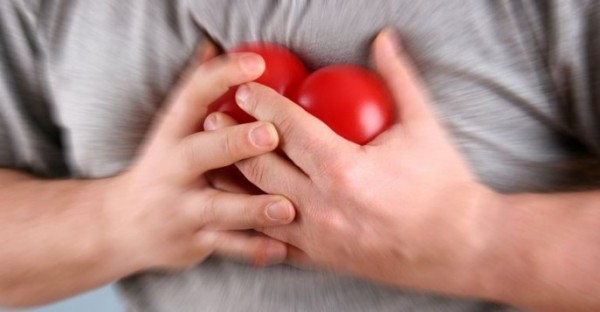

There is such an important problem as the treatment of the acute form of the disease. Treatment of an acute form of the disease is aimed at quickly establishing blood flow through the coronary artery clogged with a thrombus. When the goal is achieved, chest pain disappears and the death of myocardial cells stops. The sooner the enrichment of the muscles with oxygen and nutrition is established, the greater the likelihood that the attack will have no consequences.
Treatment of an attack in the heart muscle:
- Taking medications that destroy blood clots - thrombi.
- Medicines that stop the formation of new blood clots are antiplatelet agents and anticoagulants.
- Coronary intervention through the skin - angioplasty.
- Medications that saturate the heart muscle with oxygen.
- Medicines that restore heart rhythm.
Of course, like any other serious illness, a heart attack has its consequences:
- heart failure;
- arrhythmia;
- heart rupture;
- aneurysm of the walls of the left ventricle;
- thromboembolimia;
- pericarditis;
- heart block.
Recovery after a heart attack 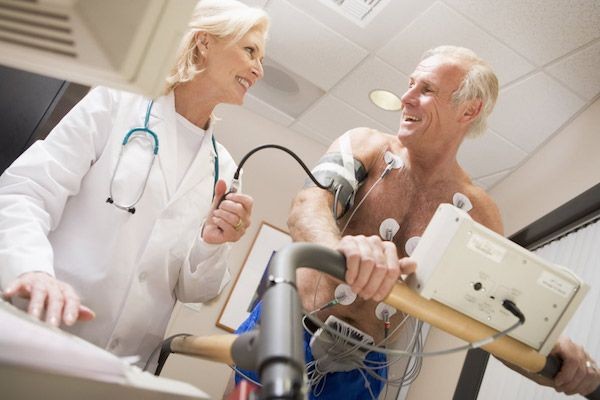

The first time after an attack, the patient must carefully observe complete rest. Any, even the slightest physical effort can damage a weak heart.
After the main symptoms of the disease have been removed, the patient, in addition to medications, is prescribed physical therapy and physiotherapy. All this must be done under the full control of doctors, using special equipment equipped with special sensors. Observation in hospital is usually 2-3 weeks. Upon returning home, it is not recommended to begin your normal life immediately. For the first couple of months, you will also need to limit physical activity - do not walk up the stairs, do not lift heavy objects. Remember that you will most likely need to take medications for the rest of your life. To minimize the risk of a second shock to the heart muscle.
Speaking about adult life, it is understood that one cannot ignore its bed side. It will be possible to return to intimate life after one and a half to two months, after the crisis. Again, at first you will need to spare yourself and prefer low-active poses. Sometimes nitrates are prescribed to be taken half an hour to an hour before sex.
Psychological assistance is mandatory for people who have suffered a heart attack. Yes, the disease is serious and complex. Requiring temporary recognition of oneself as incompetent to preserve health or even life. But the consequences can be treated, and it is quite possible to fully recover. This is not a death sentence; you can and should live with this.
Psychological support patients means establishing a positive attitude, helping them accept and establish a new lifestyle and understand reality. Psychological assistance will not be complete without the full support of the patient from family members.
Prevention of heart attack 

The best method of preventing a heart attack is prevention. Even if you do not belong to the risk category, you still should not treat your health negligently. Take care of yourself - you can’t buy health.
To protect yourself you need to:
- Monitor your weight and avoid its sudden and strong increase.
- Exercise. At least minimum loads must be present.
- Complete cessation of bad habits. Especially from smoking.
- Monitor your blood pressure.
- Have a full medical examination every year. This is useful not only for fear of a heart attack. This measure will help to promptly identify any health problems and eliminate them. Do not allow complications to develop.
- Check level cholesterol and blood sugar.
- Switch to proper nutrition. Do not eat fatty, very spicy or too salty foods. Completely avoid fast food and instant meals.
- Preventive use of blood thinning drugs - Aspirin, Cardiomagnyl.
- Increased consumption of vitamins, taking dietary supplements is possible.
Life after a heart attack 

Approximately 6 months after the attack, you will be able to return to more or less normal life. Again, giving up bad habits and engaging in moderate physical activity.
For the rest of your life you will need to be extremely careful about your health and carefully follow the recommendations of a specialist. And undergo a medical examination every six months to a year.