“Delicate issue”: anal fissure

It is not customary to discuss this problem out loud; many people are embarrassed to even consult their doctor. A disease associated with inflammation of the anal mucosa, such as anal fissure, is often confused with the manifestation of another ailment - hemorrhoids. That is why it is so important to diagnose it in time and begin treatment under the guidance of a competent specialist.
Contents
Causes of anal fissure
Anal fissure is one of the most common phenomena in the medical practice of a proctologist. A fissure is a discrepancy of soft tissues, a defect located vertically near the anus, usually its length is about 3 cm and its width is no more than 3 mm.
Most often, this disease affects women, less often - men; in some cases, similar injuries can be found in small children.
It is difficult to name a single reason for the appearance of an anal fissure. The mucous membrane around the anal area can become thinner due to mechanical action or an inflammatory process, as a result of which the tissue is torn and, under the influence of microorganisms, begins to thicken, creating a scar that is quite difficult to heal.
Causes of damage to the mucous membrane:
- Neglect of hygiene rules - the mucous membrane around the anus is very delicate; in order to avoid inflammation, a cleansing procedure must be carried out after each act of defecation.
- Constant constipation is one of the important factors that can trigger the appearance of a scar.
- Frequent exercise can put unnecessary pressure on the rectum.
- During childbirth Often, tears in the anal mucosa occur. Fans of unconventional sex are also very familiar with this problem.
- The thin walls of the intestines can easily be injured by foreign objects - enema, adult toys.
- Another reason is often violation of rules when conducting medical research.
- People with diseases of the gastrointestinal tract and cardiovascular system can suffer from this disease.
Prevention of anal diseases is:
- To prevent blood from stagnating in the pelvic organs, you should lead an active lifestyle, you need to move more and play sports.
- Correct, varied food.
- Avoiding alcoholic drinks, which significantly dilate blood vessels, causing blood to rush to the pelvic organs.
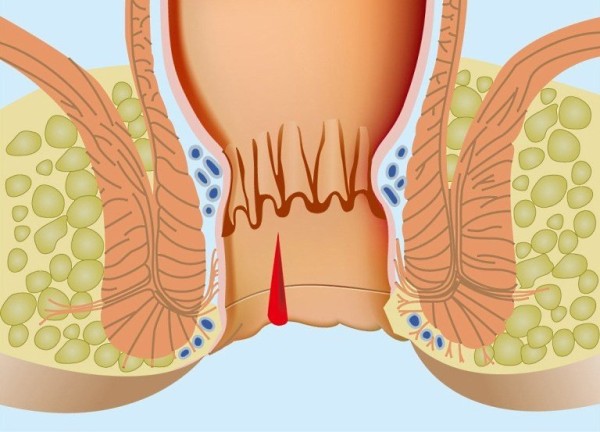

Chronic anal fissure
If there is an anal fissure, the proctologist will first determine the shape diseases, there are two of them:
- The cause of the acute stage is most often mechanical damage, for example, rupture can occur due to exposure to dense feces. Quite often, this form does not require treatment and the gap heals in just a few days.
- The chronic stage occurs when the scar is repeatedly exposed, in this case the gap increases in size and becomes inflamed, then you should consult a doctor; treatment may take several weeks or even months.
The development of a chronic form of the disease can cause various complications, for example:
- sharp, pronounced pain;
- the occurrence of paraproctitis - inflammation of the rectal tissue;
- heavy bleeding;
- colitis - a disease of the mucous membrane of the colon;
- inflammation of the prostate gland.
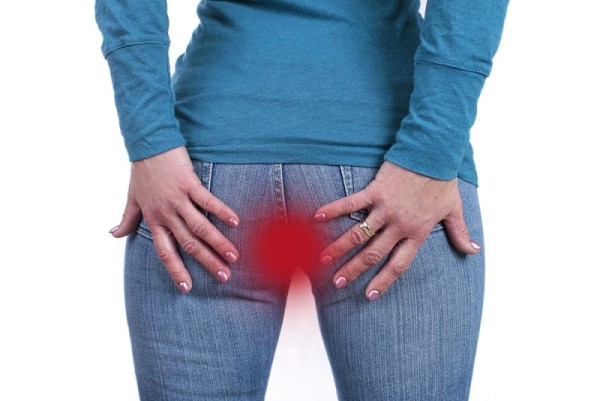

Symptoms of anal fissure
Symptoms of the pathology can manifest themselves in different ways, and in some patients they occur in combination. Here are the main signs:
- The main symptom of an anal fissure is sharp pain, burning, and pulsation, which are especially noticeable during bowel movements. The fact is that there are many nerve endings around the anus; during defecation, feces irritate the mucous membrane, causing even greater inflammation.
- You can often notice a small amount of blood on toilet paper. In the acute stage of the disease, bleeding may occur, which is very dangerous for the patient’s life and requires immediate attention to specialists.
- When the acute stage of the disease transitions to the chronic stage, it often occurs pain, burning and redness around the anus.
- Constipation can appear due to the emotional state of the patient, who, fearing another attack of pain, is simply afraid to go to the toilet. This further aggravates the problem; the stool becomes hard and irritates the intestinal walls and the anal mucosa.

Treatment of anal fissure
Before starting treatment for an anal fissure, the doctor will listen to the patient and conduct an examination.
Types of research:
- Most often, the gap can be determined by the external method; it looks like a longitudinal or triangular red defect.
- In more complex cases, the examination is carried out on a special chair. If a patient presents with acute pain, anesthesia is often required during the examination. After this, the doctor inserts a finger into the rectum and probes its walls.
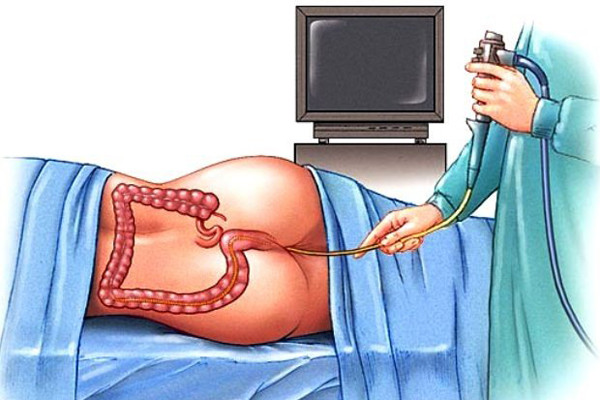
- Sigmoidoscopy is a more modern and accurate method for diagnosing diseases of the rectum. Using a special device, you can detect suspicious tumors and inflamed segments of the intestine.

All methods of treating the disease can be divided into surgical and non-surgical.
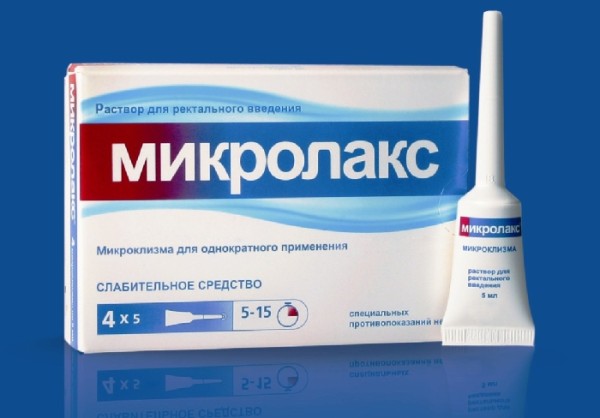
- The first thing the doctor will most likely prescribe is products (boiled beets, dried fruits, bananas) to normalize stool. The patient should consume more fiber, then the stool will soften and the bowel movement process will be easier. Laxatives (Normaze, Senade) can also help cope with constipation.
- It will not be superfluous to use warm baths when you are ill; to do this, you need to sit in a warm bath for about 20 minutes, this will be enough for the anal muscles to relax.
- Another effective method is enemas with herbal infusions.
- When treating the acute stage of the disease, it is permissible to use medications - suppositories, ointments, tablets, injections into the sphincter area, which help relieve pain.



Ointment for anal fissures
In the chronic stage of anal ruptures, the usual diet and baths are sometimes not enough, then the doctor may prescribe special medications for external use. Ointments, cream and gels relieve pain and spasms in the sphincter area. The most popular means:
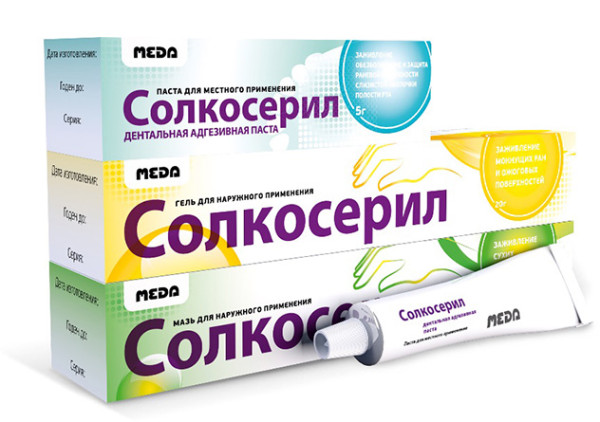
- Solcoseryl gels and ointments are an effective healing drug, thanks to which the process of regeneration of epithelial cells occurs much faster. Usually, a gel is used first, which “dries out” the tears; it is non-greasy and is easily washed off with water. “Solcoseryl” ointment has a greasy texture and creates an invisible film around the damage.
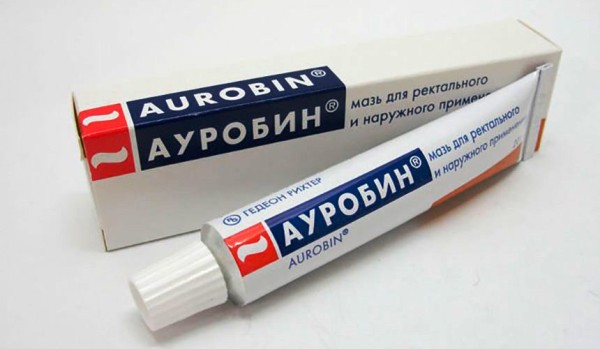
- "Aurobin" ointment was created specifically for healing anal fissures, has antiseptic properties, and relieves pain.
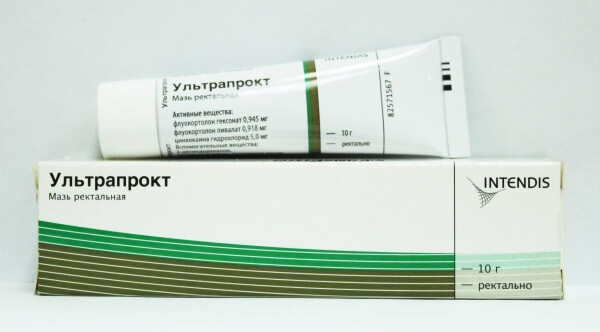
- Ultraproct cream is suitable for the treatment of anal ruptures and hemorrhoids, eliminates pain and burning, the effect of use lasts a long time.


Candles for anal fissures
Complex treatment of anal fissure may also include the use of rectal suppositories, which promote accelerated healing of wounds, eliminate pain and burning and relieve inflammation around the anus. This method of combating the disease is the most popular due to its simplicity and effectiveness of use, because the active ingredients are absorbed much faster through the rectum.
The modern pharmaceutical industry offers a wide selection of suppositories; your attending physician will help you decide, based on your medical history and the presence of contraindications.
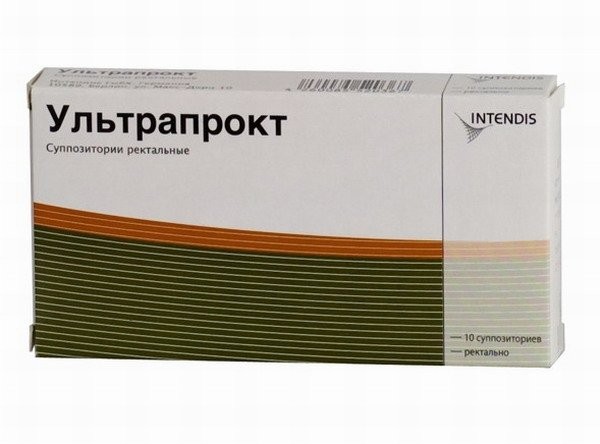
- Ultraproct suppositories are a well-known remedy for the conservative treatment of hemorrhoids and anal lesions. Thanks to it, the healing of the rectal mucosa occurs more quickly, swelling and inflammation subsides, the ability of tissues to prevent the penetration of bacteria and infections.
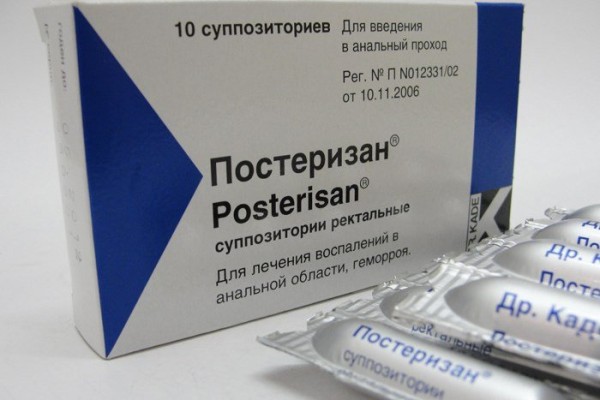
- “Posterizan” is a new generation of rectal suppositories that have an anti-inflammatory effect, relieve pain, burning and itching in the anus.
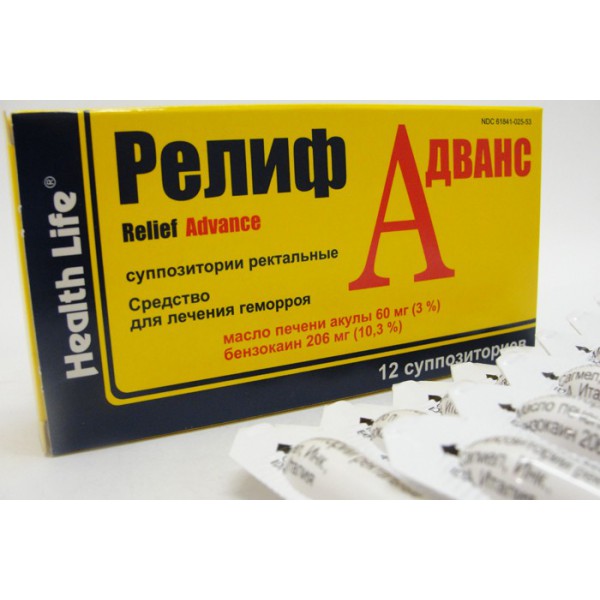
- “Relief” suppositories can be used for both hemorrhoids and anal fissure. The main component is shark liver oil, which stimulates local immunity, heals wounds, and facilitates bowel movements.
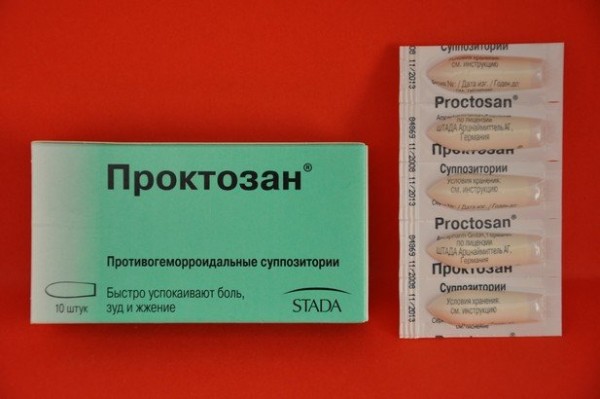
- “Proctosan” is a drug that, in addition to its basic properties, can relieve pain, as it contains lidocaine.


Anal fissure: surgery
Sometimes diets, enemas and drug treatment for defects in the anal mucosa do not help; the problem can torment a person for several months, becoming chronic. In this case, the doctor may suggest solving the delicate issue through surgery. Excision of anal rupture is a simple procedure and takes only 20 minutes. Before the operation, it is necessary to follow a diet and carry out cleansing measures.
First, the patient is given anesthesia - general anesthesia, and then the surgeon cuts the sphincter so that stool can pass freely. After this, the edges of the tear are excised, leaving an open wound that will heal within a few days.
Less traumatic methods are minimally invasive methods - removal of anal fissure using a laser beam, high-frequency waves and cauterization with current.