How to increase blood pressure - effective methods

The pressure can either increase or decrease. Of course, we encounter the first case most often, however, a drop in pressure is also not uncommon. Statistics say that every person suffers from low blood pressure approximately once every 3-4 months. By what signs can you recognize a drop in blood pressure and what to do about it? You will learn from this article.
Contents
Symptoms of low blood pressure 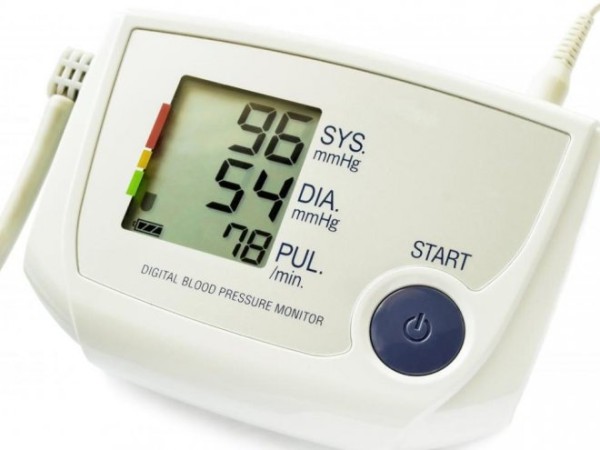

In general, blood pressure is considered low if it is less than the generally accepted norm. If 120/80 is considered normal, then 100/60 is already low pressure. The scientific term for this condition is hypotension.
However, there are people for whom low scores are normal. For example, people with underweight. As a rule, those who weigh up to 50 kg feel quite well when the numbers on the tonometer are 100\60.
The following factors are considered the main reasons for decreased blood pressure:
- severe stress and mental strain;
- harmful working conditions;
- shortage hemoglobin in the blood;
- sedentary lifestyle;
- malfunctions of the respiratory system;
- blood loss, for example, during menstruation;
- vasospasm;
- heart attack;
- diseases of the central nervous system, thyroid gland and cardiovascular system.
Low blood pressure can only be recognized by deteriorating health. Namely:
- lack of strength and weakness, drowsiness, decreased overall tone;
- vomiting and nausea;
- migraine, especially felt in the temporal or occipital part of the head;
- decrease in body temperature;
- impatience of sharp sounds and bright light;
- a feeling of lack of oxygen, especially where there are a lot of people, frequent yawning;
- increased sweating, shortness of breath;
- if you suddenly stand up from any position, you will experience darkening of the eyes and dizziness;
- decreased health during magnetic storms and weather changes;
- absent-mindedness, memory loss, lack of concentration;
- penchant for depression, mood swings, nervousness, tearfulness;
- vasospasm occurs, due to which the heart rate may become abnormal and pain in the sternum may be felt;
- infrequently - fainting;
- tingling or cold hands.
If the patient does not experience vomiting, fainting, or a slow heart rate, there is no need to call a doctor. Try to help the person in the ways described below. But after that you still need to contact a specialist. A decrease in pressure does not just arise and does not happen, which means there are health problems.
Means that increase blood pressure

Before using any medications, it is better, of course, to consult a doctor. Remember that self-medication can have negative consequences, which will be difficult to get rid of even with the help of doctors.
Basic means for effectively increasing blood pressure:
- tincture of ginseng - strengthens blood vessels, accelerates blood;
- infusion of eleutherococcus, exceeding the dosage can cause overstimulation of the nervous system, sleep problems, hypertension;
- Schisandra chinensis is a good tonic, use strictly according to the instructions;
- rose hips in any form of release;
- Pantocrine stimulates brain function, tones blood vessels;
- Caffeine is the most common remedy in the fight against hypotension, but has contraindications - disturbances in the functioning of the heart.
- Epinephrine;
- Heptamip accelerates the blood well and strengthens the heart.
Before using any of the medicines, carefully read the instructions. Do not under any circumstances exceed the indicated dosage. Medicines that increase blood pressure can harm the body if used for other purposes.
Folk remedies that increase blood pressure 

If hypotension in your life is not a primary event, then you should pay attention to your life and change something in it. For example:
- Sleep duration should be at least 8 hours. About the benefits healthy sleep a lot has been said, but people still continue to neglect it.
- Do not suddenly get out of bed immediately after waking up. Wake up so that you have 3-4 minutes left for a calm awakening. Gently stretch, then sit up in bed. And only after that get up.
- Start playing sports - swimming, walking, cycling.
- Complete cessation of bad habits.
- Normal drinking regimen during the day, at least 2 liters of clean water.
- Spend more time outdoors.
- Be sure to have a nutritious diet with a hearty breakfast and healthy fortified foods throughout the day. Drinks, tea or coffee, must be sweet.
- Eat foods that have a warming effect.
Traditional medicine for raising blood pressure:
- rosehip, an excellent tonic;
- Chinese lemongrass;
- hot hibiscus tea;
- cocoa;
- chocolate;
- sweet;
- nuts;
- dried fruits;
- pomegranate;
- black currant;
- products with a high fat content - butter, cream, country sour cream;
- spicy foods and spices;
- vegetable juices - beet or carrot.
How to quickly increase blood pressure 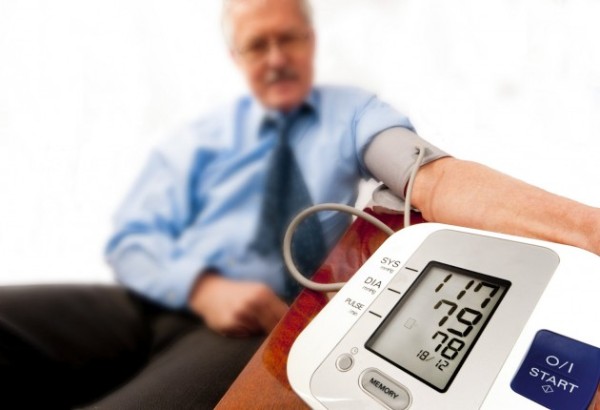
What to do if the victim’s blood pressure drops sharply and their health worsens? Don't panic. And follow these simple rules:
- Lay the victim down.
- The position should be such as to ensure maximum blood flow to the head. That is, the upper body should lie lower than the legs.
- Place a cold cloth or frozen food wrapped in a towel on your forehead.
- Gently massage your neck.
Cocktail “SOS for hypotension.” Brew a cup of strong, preferably natural, ground coffee. Add a spoonful of cognac and give it to the patient. Drink with dark chocolate.
If these measures do not work, call an ambulance immediately; you cannot do this without the help of doctors.
Low blood pressure during pregnancy 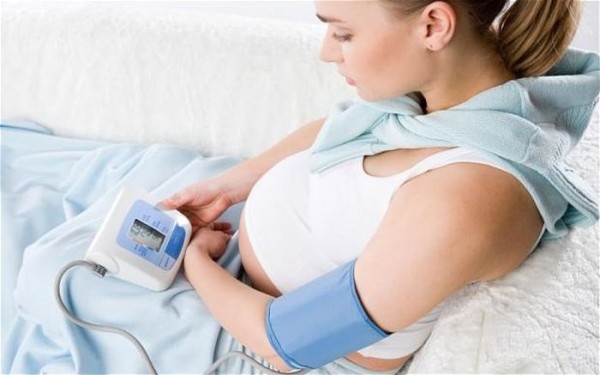

The main cause of hypotension during pregnancy is considered to be vasospasm. This is quite a dangerous phenomenon for both the child and the mother. What are the dangers of low blood pressure during pregnancy:
- There is a decrease in the speed of blood flow in the placenta, therefore, the baby experiences a lack of nutrition and oxygen. Often a repetition of this situation threatens the child with hypoxia and developmental delays.
- For mothers, low blood pressure is at risk of complications after and during childbirth. For example, weak labor, bleeding, poor uterine contractions after.
First of all, a mother suffering from low blood pressure needs to even out her daily routine and balance her diet. Normal sleep, reasonable physical activity in the fresh air and quality nutrition are the main helpers in this matter.
It is also necessary to register with a cardiologist and be monitored by him throughout the pregnancy. All medications should be taken only in agreement with both specialists - a gynecologist and a cardiologist.
Alternative medicine also needs to be coordinated, which is good in normal times, but can be harmful for pregnant women.