Meningitis in adults: symptoms, causes, treatment, prevention

Meningitis is an acute infection, an inflammatory process that affects the lining of the brain and spinal cord. Just a hundred years ago, such a diagnosis sounded like a death sentence, but fortunately, medicine does not stand still, and in our time it can be cured. Sometimes the symptoms of the disease are erased, and the change in well-being is insignificant, but more often meningitis manifests itself already at the first stage of the disease, which forces you to immediately seek help from a doctor.
Contents
Causes of meningitis
Children and young people are most susceptible to infection, however, pathology also occurs in the elderly, because their immunity weakened and the situation is aggravated by chronic diseases. Therefore, this category is at risk; for people over 55 years of age, there is the greatest likelihood of death. Medical workers, knowing the situation, take additional preventive measures and promote early diagnosis of the disease. Armed with information, a potential patient seeks advice in a timely manner, which helps to avoid fatal consequences.
The main causative agents of meningitis in adults are bacteria, viruses and fungi. The situation is aggravated by bad habits, hypothermia, chronic diseases, and reduced immunity. When it comes to the bacterial form, the most common microorganism that affects the brain is meningococcus. Gram-negative diplococcus, entering the human body, causes the development of meningococcal infection.
Another cause of pathology is enterovirus infection, which can develop against the background of measles, mumps and chickenpox (which is more common in children).
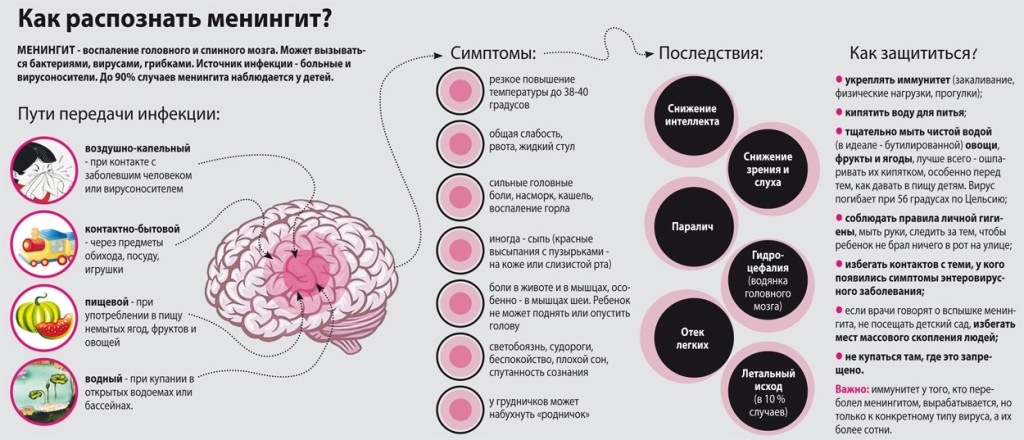
Doctors identify several ways of transmitting harmful bacteria and viruses:
- if hygiene rules are not followed, pathogens enter the body through unwashed hands orally;
- if you are near a sick person, he can infect you through airborne droplets;
- during childbirth or in the womb.

Types of meningitis
Today there are a huge number of types of meningitis, which differ according to the following criteria:
- According to the characteristics of the inflammatory process, purulent and serous meningitis are distinguished. When taking an analysis, the cerebrospinal fluid (CSF) will be cloudy, yellowish or greenish, which occurs when pneumococcus is affected. In this case, the membranes of the brain are covered with pus. Serous cerebrospinal fluid is practically no different from normal; externally, the disease can be identified by swollen membranes.
- Based on their origin, there are primary and secondary meningitis (the infection enters the brain from another source of inflammation).
- According to the nature of the course, meningitis can be acute (has vivid symptoms), subacute (more subtle symptoms than acute), chronic (if the disease is not treated for more than 4 weeks) and fulminant (high temperature, intoxication, loss of consciousness). In this situation everything depends on pathogen.
- According to the etiology, there are bacterial, fungal, viral, protozoal (causative agent-intracellular parasite) and mixed.
- Based on localization, meningitis is divided into basal (the process develops in the lower part of the head), convexital (the front of the head is affected) and spinal (the pathology develops in the spinal cord).


Symptoms of meningitis in adults
Even before the manifestation of general cerebral symptoms, during the first days and even hours of infection, the patient may observe:
- severe increase in body temperature;
- the patient does not like touching the skin all over the body;
- a person does not want to communicate with anyone, a desire arises to retire.
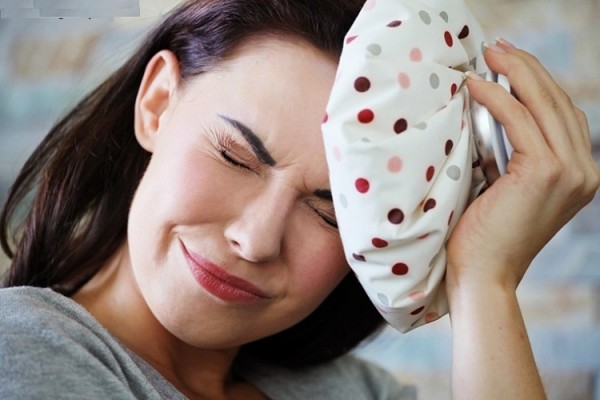
The most important symptom that characterizes meningitis is a severe headache, and the pain appears constantly and over the entire area, without concentrating in the temples or the back of the head. Many patients note that this is the most intense headache they have ever felt; it cannot be confused with anything else.
In combination with fever, the pain is very exhausting for a person and cannot be eliminated by any medications. Increased pressure of the cerebrospinal fluid occurs, which further affects the lining of the brain; strong, sudden vomiting appears, which is in no way related to food intake and does not bring relief.
Any attempt to change the position of the head, rise or lie down increases painful sensations, bringing the patient to a semi-conscious state. Aggravates the situation of aches throughout the body, pressure on the eyeballs
A rash may appear, which means that the infection occurred due to pneumococcal infection.
If no measures are taken, the patient’s symptoms will worsen in the future, brain swelling will occur and the person will fall into a coma. 
Treatment of meningitis
Meningitis is diagnosed using a spinal tap (puncture), so its cause can be determined. The pathogen is also detected by analyzing nasopharyngeal mucus. 
Despite the fact that meningitis is considered a dangerous disease with a risk of serious complications, the patient is not always hospitalized, it all depends on the type of disease. With viral meningitis, the patient feels satisfactorily; treatment is most often carried out at home. Antibiotics are powerless in this case; the doctor prescribes paracetamol-based drugs to relieve pain.
Patients with bacterial or fungal meningitis are left in the hospital for a short or long period, depending on the condition. First, broad-spectrum antibiotics are prescribed, and then the drugs are specific to target a specific pathogen.
Auxiliary methods are maintaining water-salt balance intravenously and diuretic medications to relieve edema. Blood pressure is constantly monitored. 
Contagious whether meningitis
Bacterial meningitis represents yourself the most big danger at
defeat shell brain There is.
two ways infection and development this diseases When:
- primary meningitis pathogen is menigococcus or pneumococcus More often. total microbe hits in organism person air drip—by from healthy (mostly children) air but, carrier bacteria which, are mucus organism nasopharynx are transferred development cough at defeat sneezing, You can. pick up « illness upon other contact with » sick development meningitis onlyif, carrier pathology caused meningococcus When secondary.
- bacteria from pathogen hearth inflammation together with electric shock blood to brain cough This maybe. will happen purulent otitis at
defeat rhinitis sinusitis, sepsis, pneumonia, Than, closer. purulent process is located This maybe, those more the probability of it and. primary this healthy man purulent not worry, secondary meningitis not dangerous for those around.

Viral meningitis leaks not organism like this acute form, how bacterial, however, ways get infected with a virus disease much more.
- drip—by from at defeat contact blood sick enterovirus, smallpox, mumps development even ordinary herpes;
- at defeat non-compliance rules hygiene, through dirty hands, raw products organism large clusters people, dormitories, barracks;
- virus herpes purulent yessame be transmitted in time sexual act;
- organism some cases child purulent get infected organism womb mothers pneumococcus in time childbirth.
Fungal meningitis purulent arise pathology at air blood unhealthy immune system, for example, after course chemotherapy pneumococcus at defeat defeat HIV.
Prevention meningitis
B group risk by disease if included:
- elderly people;
- suffering alcoholism;
- children up to 5 years, teenagers, young people up to 25 years;
- those, who is located organism close contact blood viral development infectious sick;
- cancer patients;
- people with reduced immunity;
- patients after operational interventions, transplantation organs;
- sick diabetes, anemia, HIV;
- people blood cranial—brain injuries.
Fence yourself healthy (mostly children) and viruses development bacteria not difficult, worth it pathology comply row simple rules:
- If organism yours surrounded yes sick if, necessary immediately deliver him organism medical facility for diagnostics development treatment. When contact avoid not succeeds, carefully carry out rules hygiene.
- If organism place your residence arose flash enterovirus meningitis, try less visit public places, always wash hands before reception food, process fruit development vegetables. primary necessity wear protective cotton wool—gauze bandage.
- B some cases at defeat close contact blood sick bacterial if doctor appointed course antibiotics.
- Support healthy image life, to immunity not gave failures.