Intervertebral hernia: causes, treatment, prevention

Who has no posture problems today? A rare person has a perfect straight back and regularly takes preventive measures for the health of the spine. Today's article is devoted to the topic of intervertebral hernia, why it occurs, how to recognize it and how to treat it.
Content
The cause of the intervertebral hernia 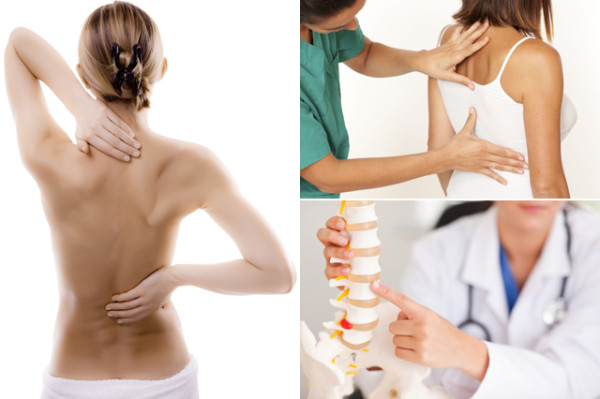

A hernia is a pathology during which the discs are displaced. Moreover, most often, they penetrate into the canals or even into the body of the vertebra itself. In order to qualitatively treat this disease, it is necessary to identify and eliminate the cause that led to the onset of the disease.
Reasons for the appearance of a hernia between the vertebrae:
- Injuries, sprains, mechanical stress.
- Age, calcium leaching from bones and loss of tissue elasticity.
- Irrational physical activity - its complete absence or, on the contrary, excessive sharp load.
- Infections that give complications to bones and joints. For example, angina or pharyngitis.
- Metabolic disorders.
- Heredity is quite rare.
- Passive lifestyle.
- Osteochondrosis or underwent surgical interventions on the spine.
- Incorrect posture.
- Lifting weights in the wrong posture. For example, hunched over.
- Excess weight... Additional load on the musculoskeletal system, which the body does not always cope with. Especially if the weight is gained dramatically.
- At risk, tall people, girls taller than 170 cm and young people whose height exceeds 180 cm.
Herniated disc symptoms 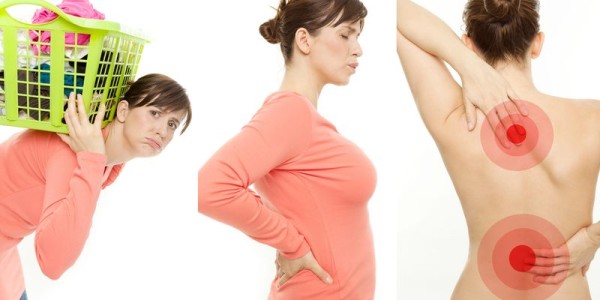

A hernia on the spine can be recognized by the following signs:
- Pain and lumbago in the area of sore formation, with physical activity or coughing, the sensation increases. Dull pain speaks of the disease in the initial stage, and sharp pain speaks of a more serious violation. It can give to other parts of the body - after all, the vertebra often pinches the nerve.
- Rachiocampsis.
- Goosebumps for no particular reason.
- Rapid fatigue, a feeling of stiffness in movements, constant tone in the muscles of the lower back.
- Numbness, coldness, or tingling in the limbs.
- Pain in the chest, radiating down the arms.
- Migraine.
- Pressure surges.
- Constipation or diarrhea, urinary problems.
- Interruptions in potency or frigidity girls have especially severe cases.
- Increased body temperature.
- Rarely, but still it happens that a neglected hernia leads to delays in menstruation.
- If there is a hernia in the cervical spine, there may be visual impairment, tinnitus, a feeling of pressure in the back of the head, and malfunctioning of the hearing aid.
- In advanced stages, this disease causes muscle atrophy, which is noticeable visually. For example, one buttock is smaller than the other.
If you find one or several symptoms of a herniated disc at once, do not self-medicate. Contact a qualified specialist immediately, neglect of your health can lead to irreparable consequences. The doctor will prescribe certain tests to identify the cause of the hernia. Treatment will depend on this.
Types of intervertebral hernia 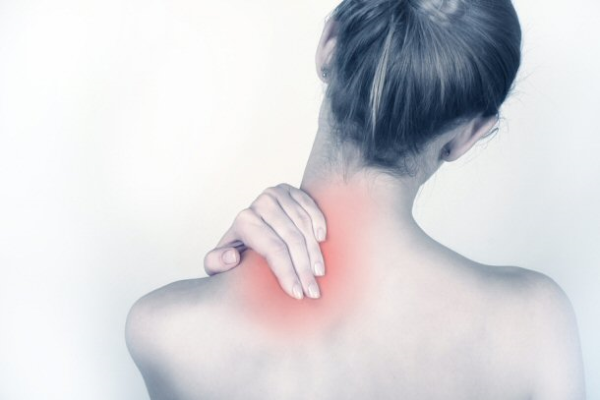

Depending on the location of the sore, a hernia is:
- Lumbar. The most common type, because this department spine the maximum load falls. Symptoms are standard, but localized in the lower back and radiate to the buttock or legs.
- Breast. Cases of the occurrence of this particular species are rare, since the thoracic spine is protected by a corset of ribs. The pain in this case will be in the upper body, intensifying with cough or sneezing. May be accompanied by disturbances in the work of internal organs. It is with this type of hernia that you cannot hesitate with a visit to a medical institution. Partial or complete paralysis of the limbs is possible.
- Neck. Most often occurs after a spinal injury. It is accompanied by headaches that are aggravated by moving the head. Pinched nerves in this section spine leads to neurological problems - numbness of the limbs, goose bumps and so on.
Home treatment of herniated disc 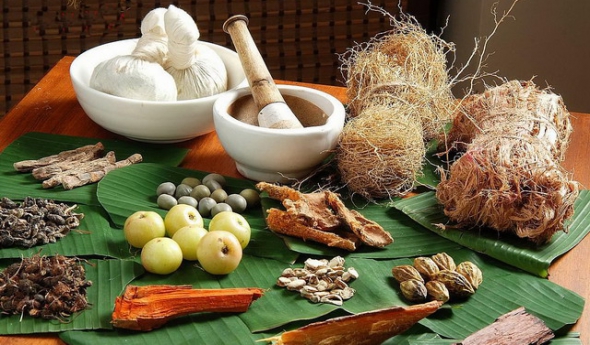

The best medicine is warning. In order not to get this unpleasant sore, you must:
- Dressing for the weather, overheating or hypothermia does not benefit anyone.
- Do not lift weights in the wrong position - with outstretched arms and hunched back.
- Do not make sudden movements, do not play sports without warming up the muscles.
- Daily exercises and exercises to strengthen the muscles of the back. For example, exercises with fitball.
- If the work is associated with prolonged sitting in one position, get up every hour and stretch your muscles. A simple walk will do.
- Balanced diet... This will eliminate the risk of excess weight and fill the body with trace elements necessary for normal functioning.
If for some reason it is not possible to visit a highly qualified specialist, then home treatment involves taking the following remedies:
- Anti-inflammatory medicines. Ibuprofen and its variations.
- If the pain is severe, it cannot be tolerated. It is allowed to use injections with novocaine.
- Reception of large quantities vitamins group B.
- Wearing an orthopedic corset, especially if loads of more than 5 kg are coming.
- During exacerbations, bed rest.
- Complete rejection of bad habits.
- Light massage of the sore spot with the use of warming agents.
- Therapeutic aerobics. Remember not to overstrain and abrupt movements.
- Compresses with natural anti-inflammatory drugs. For example, garlic, birch or St. John's wort oil.
Traditional medicine to combat hernia:
- remove the film from the Kalanchoe leaf and apply it to the sore spot at night;
- alcohol tincture of garlic: pour the chopped raw materials with vodka and insist in a dark place for 10 days;
- a mixture of honey and mummy, rub into the affected area every day before going to bed;
- fir oil;
- horse or pork fat;
- pepper plaster;
- mince Indian onions and mix with honey, apply for rubbing, course of treatment is 7 days;
- camphor oil.
Hernia repair without surgery 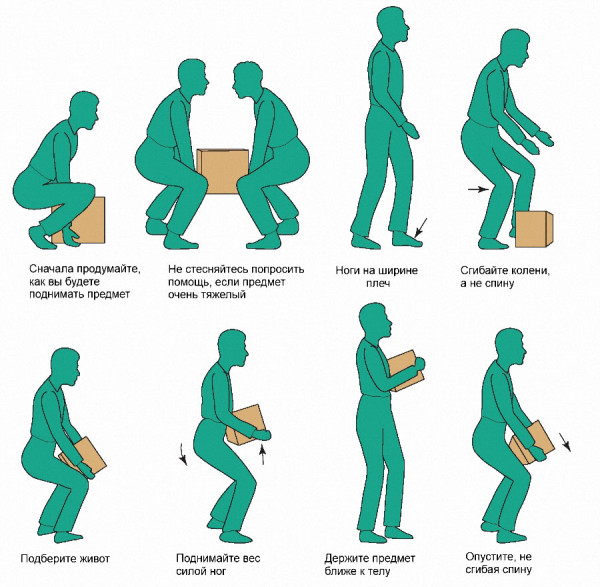

You can get detailed advice on how a specific case of the disease is treated only in a hospital. Depending on various factors, the specialist may advise the use of conservative or alternative methods for resolving the problem.
Alternatives include:
- Physiotherapy.
- HILT laser.
- Electrophoresis.
- Laser therapy.
- Khivamat. Massage using an electrostatic field. It is used to improve blood circulation and relieve the inflammatory effect, accelerates excretion toxins and stimulates metabolism. Affects all layers of soft tissues, including subcutaneous fat.
Removal of intervertebral hernia 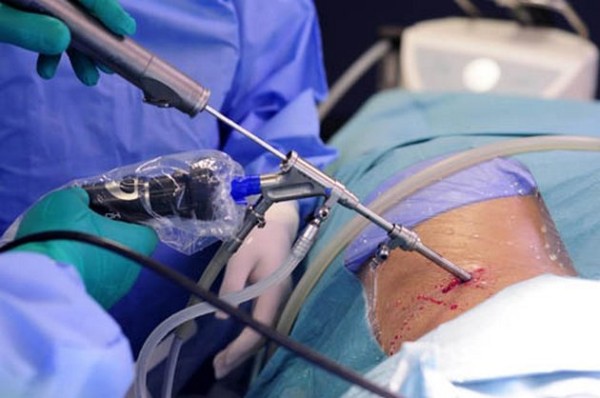

Of course, surgical intervention in this case is possible only if there are certain indications. The indications are absolute and relative, when the use of conservative methods of treatment has not borne fruit.
The absolute indicators include:
- disorders in the functioning of the pelvic organs - problems with going to the toilet, change in gait, failure of the menstrual cycle;
- muscles have lost their functionality;
- pinched nerve roots or prolapse of the nucleus.
Of the advantages of surgical intervention, a quick result can be noted. Immediately after the operation, the patient ceases to feel the symptoms that interfere with normal life recently.
Of the minuses of surgery, the following factors should be noted:
- The possibility of recurrence or the formation of new hernias is not excluded.
- Long recovery period.
- The possibility of complications is a standard disadvantage of any operation.
Spine surgeries are of the following types:
- Endoscopic. It is performed under local anesthesia. It allows you to significantly reduce the recovery period and the risks of complications. There is no removal of parts of the spine as such, work is done only with the hernia and the affected area.
- Microsurgical. Produced by making a minimal incision and using a surgical microscope.
- Classic. Without the use of auxiliary optics, everything is under the control of a specialist.
In general, surgical intervention for the treatment of herniated discs is rarely used. More often, doctors try to use minimally invasive therapy. It includes such methods as:
- Cauterization.
- Coagulation.
- Cold plastic.
- Hydroplastics. Washing out damaged tissues using a special solution.
- Intraosseous block. The spine is exposed with a special needle.