Shea butter: benefits, harm, use
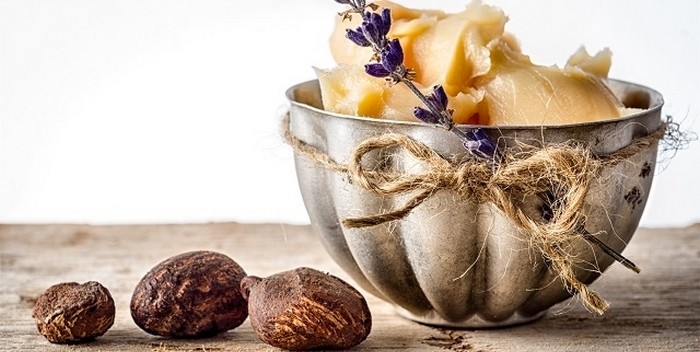
There is a huge variety of personal care products available in the beauty product market today. Hand cream with aloe vera, face milk with shea butter, body mousse with sea buckthorn extract. How to figure out which additive is for what? This article will tell you about shea butter, what kind of thing it is, how to use it and what benefits it has for the skin.
Contents
Benefits of shea butter 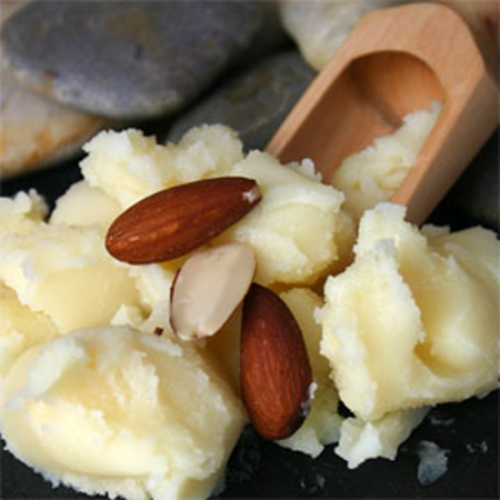

This oil is extracted from the fruits of the shea tree, which grows in Africa. The tree looks like an oak - thick bark, powerful trunk, long-lived tree. By the way, this plant has many different names. One of them is shea butter. Thus, shea butter and shea butter are the same thing. Please note that the shea tree is a nut tree. This information is important for those with nut allergies.
Shea butter has a very rich composition; it contains all the essential vitamins and microelements that our skin and hair need so much. Specifically:
- vitamin A;
- vitamin C;
- tocopherol, also known as vitamin E;
- protein;
- alcohol;
- fatty acids - linoleic, stearic, oleic, palmitic.
Shea butter is used:
- To care for very dry, sensitive or inflamed skin.
- Ideal as a gentle moisturizer for caring for the delicate skin of a newborn.
- Well restores fading, thin and aging skin.
That is, shea butter can be used at any age and with any skin condition. Why is it so useful?
Beneficial properties of shea butter:
- a powerful natural antioxidant, which means this product slows down skin aging;
- contains the main beauty vitamins - A and E, and thanks to them, is able to smooth out wrinkles;
- the retinol in this oil has a good effect on the complexion, evens it out and makes it look fresher;
- forces skin wake up and start producing collagen on your own;
- makes the skin smooth and velvety;
- cares for hair, gives shine;
- perfectly softens particularly dry and rough areas of the skin - elbows, knees;
- improves metabolism between cells;
- can be used while waiting and feeding a baby;
- promotes rapid recovery and healing skin;
- protects skin from exposure to ultraviolet radiation.
Shea butter has an excellent track record. What are its indications for use?
In what cases is shea butter used:
- Stretch marks.
- Children's skin inflammations from diapers.
- Psoriasis.
- Eczema.
- Increased hair growth with increased fragility and dryness of hair.
- Teenage acne and oily problem skin.
- Skin with age-related changes. For example, loss of elasticity in centuries.
- Sun protection on the beach.
- Skin restoration after sunburn.
- Irritated scalp, itching, dandruff.
- Split ends and more.
- Irritation and itching from insect bites.
- For minor wounds and cuts, used as an anti-inflammatory and decongestant.
Harm of shea butter 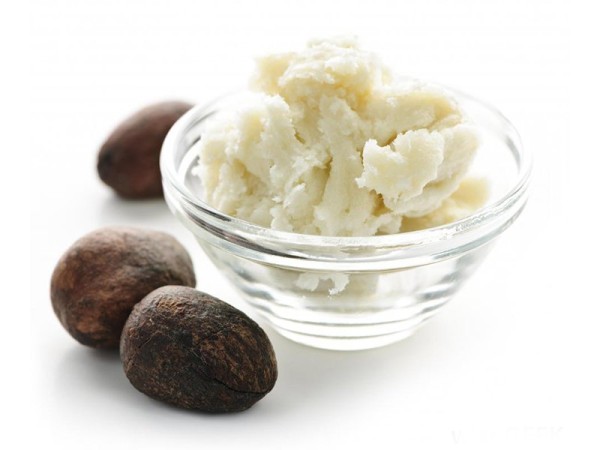

In general, this product is considered absolutely harmless. Since it is approved for use in infants. Nevertheless, this miraculous remedy has its own contraindications and features:
- an individual allergic reaction to the components of the oil is possible;
- insufficient clinical research, not all properties of the oil have been fully studied;
- Do not leave the oil in the sun or store it in a room - it will spoil;
- It is not recommended to use a product that has expired.
Since the substance is quite strong, it is recommended to conduct an allergy test before using the pure product. Apply a small amount of oil to the inside of your wrist. If within 30 minutes there are no unpleasant sensations in the form of burning, tingling or redness of the skin, you can safely use oil.
Pure shea butter has a shelf life of about 2 years. But if the product is added to masks and creams, then the lifespan of its beneficial substances is sharply reduced to 3 months.
Shea butter: application 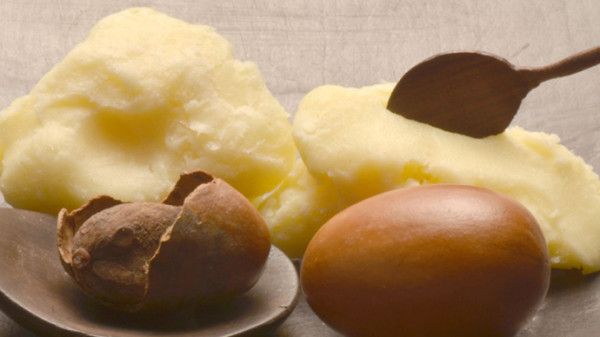

Shea butter or cosmetic products that contain it can be purchased at any cosmetics store or pharmacy. When purchasing, you should familiarize yourself with the composition of the oil. A valuable product is extracted in 2 ways:
- Manual. Allows you to preserve the maximum amount of nutrients. It is characterized by high cost.
- Industrial. It has a fairly low cost and a minimal set of useful properties.
Shea butter has its own classification. Class A is considered the best. This is hand-extracted oil. Usually unrefined and stored in bars. The bar of soap appears to have a greenish, greyish, beige or yellow tint. It has a slightly noticeable nutty scent and creamy texture. Be sure to store it in the refrigerator, since at a temperature close to body temperature it begins to melt.
Class F is considered the lowest. This is definitely an industrial oil, even more likely a waste product from shea butter. As a rule, it only has a moisturizing effect. The color is as close to white as possible.
This product can be included in any household masks for skin or hair care. When using a pure natural product, in combination with other high-quality ingredients, it can give a positive effect after just a couple of uses. Can also be used to further enrich store-bought cosmetics.
Remember that a high-quality natural product is distinguished by a high price, storage in a bar in a cold room and a weak nutty aroma. You can buy pure shea butter in organic stores or online stores. Do not forget to make sure that the seller has permission to trade and read the documents confirming the right to sell the African product.
Shea butter for hair

Beneficial properties of shea butter for hair:
- restoration of hair damaged after frequent dyeing, perm or weakened by the summer period;
- giving hair natural shine and silkiness;
- moisturizing for dry and brittle ends;
- protection against split ends, fragility and the harmful effects of high temperatures;
- nourishing weakened hair, solving the problem of excessive hair loss.
Remember that shea butter is not a panacea; you cannot continue to ruin your hair and believe that a wonderful cream will fix everything. Shea helps restore, but does not heal.
The easiest way to use high-quality shea butter is to apply it to your hair in its pure form. To do this, cut off a little butter and melt it in a water bath. You should not boil the oil - heating destroys the vitamins. Apply warm oil to your scalp and hair and massage gently. Then evenly distribute the oil throughout your hair using a wide-toothed comb. To enhance the warming effect, you should wrap your hair in polyethylene and wrap it in a towel. You need to keep this mask on your hair for at least 30 minutes. Then wash your hair as usual.
Shea butter for face 

It is recommended to use this product for all skin types. But, it is worth remembering the following things:
- Should not be used regularly on oily skin.
- Do not use shea butter in its pure form every day - it can clog your pores.
It is good to use shea butter as an alternative to night face cream. Take some oil, melt it in your palms and apply a thin layer on your face. In the morning, wash your face as usual.
For oily skin, it is good to mix shea with tea tree oil - this will improve the functioning of the sebaceous glands and will not cause clogging of pores.
For dry skin, you can try mixing shea butter and olive extract. Or avocado oil and sandalwood. It's good to add natural ground cinnamon for a soft, natural scrub.
You can make your own lip balm from shea butter. To do this:
- Take the liquid shea extract and blend it with a regular blender.
- You can add a couple of drops of peach, grape seed or jojoba oil. It is also good to add liquid vitamin A. If desired, you can use essential oil to give the balm a pleasant aroma - lavender, orange, cinnamon, rosewood.
- Pour the mixture into a prepared clean and dry jar and put it in the refrigerator.
This homemade balm will not only save sponges from chapping, but will also help soften elbows, knees, flaky hands or heels. Suitable for caring for the skin around the eyes.
Shea butter for body 

In addition to the obvious advantages of using this body oil, there is another, undoubtedly significant one - shea butter helps make stretch marks less noticeable. It is quite difficult to completely remove stretch marks, but making them less bright and intense is quite possible. It is best to start treatment immediately as soon as they appear. Fresh stretch marks are easier to remove than old scars.
Before applying the oil, the skin needs to be prepared. Take a warm shower, if conditions allow, it’s better to sit in the bathhouse. In this case, you need to warm up the application area well with a rough washcloth. After these procedures, feel free to apply shea butter in a thick layer to problem areas of the body. It is good to stimulate the absorption of oil with an additional simple massage - pinching and patting especially problem areas. Wait a bit for the oil to be absorbed. Or lay down an unnecessary sheet and go to bed.
You can combine this substance with the following oils:
- Olive.
- Almond.
- Sea buckthorn.
- Coconut.
- Apricot or peach.
- Orange.
- Roses.
- Juniper.
- Tea tree.
- Anise.
Using this substance for stretch marks on breasts, you can make oil compresses. Dilute the oil in warm water, moisten a napkin and place it on your chest. After half an hour, remove the napkin. You can wipe the breasts with another clean napkin to remove excess oil. There is no need to rinse off.
It is good to use this product to prevent stretch marks during pregnancy. In this case, it is recommended to apply it to the stomach, butt, thighs and chest 3 times a day in a thin layer. Be sure to do an allergy test, even if you have previously used this oil. A pregnant woman’s body can “throw out” a surprise.
Shea butter cream 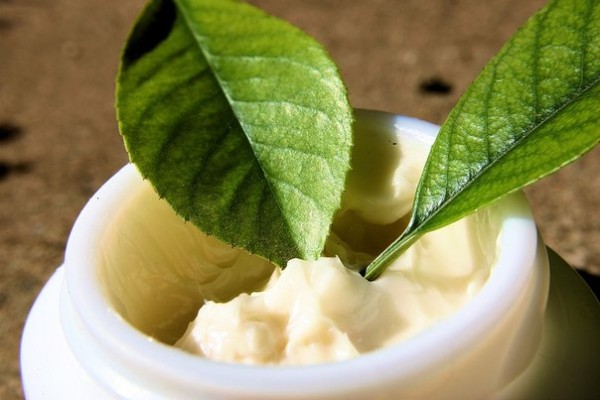

We invite you to familiarize yourself with simple and effective recipes for creating cream with shea butter at home.
Nourishing night cream:
- 30 ml rose water;
- 50 g shea butter;
- 50 g almond, peach or olive oil of your choice;
- a couple of capsules of liquid retinol;
- 5 g lecithin;
- a few drops of chamomile or lavender essential oil;
- a little wax.
Melt the wax and shea butter a little, then add the remaining oils one by one. Finally add rose water. Mix everything thoroughly. Store the cream strictly in the refrigerator.
Nourishing anti-aging cream:
- 50 g shea butter;
- 30 g each of wax and cinnamon tincture;
- 10 g avocado oil;
- 15 ml orange juice.
Melt the wax and oils, add the rest of the products. Mix thoroughly and pour into a jar. Store in the refrigerator.
Shea butter masks 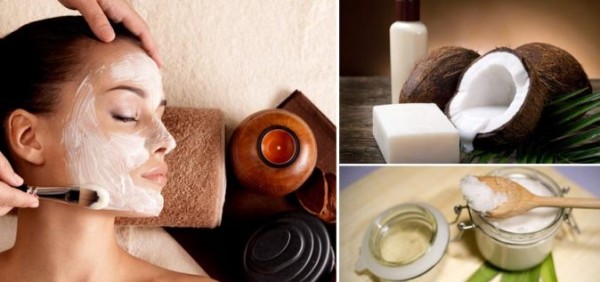

- To save brittle and burning hair, mix shea, sandalwood oil, liquid vitamins A and E. Keep this mask on your hair for at least 3 hours.
- To accelerate growth hair mix shea butter with rosemary oil and castor oil. You can enhance the effect by using plastic film, cover your hair with it and wrap it with a towel. This mask must be done once a week for 3 months.
- Face mask. Used to combat wrinkles. Mix a teaspoon each of shea butter, olive oil and almond butter. Apply to face. After 20-30 minutes, wash your face as usual.
- Mask against dry and flaky skin. Mix shea butter with egg yolk. Add a spoonful of olive oil. Keep this mask on your face for at least 25 minutes. Then wash your face.
Shea butter: reviews 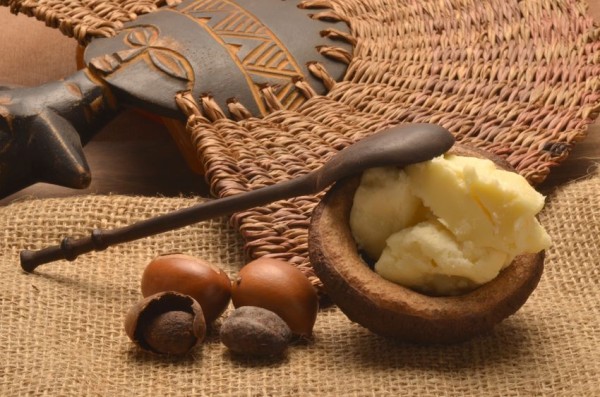

Girls who used a high-quality natural product are completely satisfied with their purchase. The oil really moisturizes well, removes fine wrinkles, nourishes hair and makes stretch marks less noticeable.
It is worth noting that reviews from girls with oily skin are divided. Some noted a deterioration in the functioning of the sebaceous glands. Others have noticed the positive effects of the oil.
Everyone who was dissatisfied with the use of shea butter purchased the product for pennies. This means they used low quality oil. As they say, what you paid is what you got.