Leg cramps: what are the causes and how to treat

Leg cramps (myoclonus) are a very painful condition that occurs in the calves and usually goes away after a short period of time. The peculiarity lies in suddenness and sharpness. It’s okay if the cramps are episodic; a much more dangerous symptom is prolonged pain that occurs frequently, spontaneously, especially at night. It's time to understand this problem in detail, find out its causes and solutions.
Contents
Symptoms of seizures
Some people suffer from calf cramps throughout their lives, and for many it occurs in old age. Spontaneous contraction of a muscle or group of muscles is accompanied by severe pain, and an attempt to eliminate it by taking a more comfortable position leads to increased discomfort. Moreover, other muscles in the human body can also contract, including the intestines, however, the term “cramps” can be attributed exclusively to the arms or legs.
Fortunately, most pathology occurs with minimal risk to life, yes, it brings a lot of unpleasant emotions due to its unexpectedness for a person and severe pain. However, there are situations in which such a trifle as convulsions can cost your life. For example, when it occurs in water, when the diver can no longer control himself and stay afloat. In addition, muscle spasms are sometimes not only an independent illness, but also the cause of another disease. 
Causes of leg cramps
Cramps often occur when walking, swimming or during sports and physical activity. From a medical point of view, sharp pain in the limbs, which lasts no more than 10 seconds and happens only 1-2 times a month, is not a serious pathology. Neither children nor the elderly are immune from this.
Too frequent, regular, prolonged pain can signal problems in the body and dysfunction of various systems:
- The error-free delivery of contractile impulses is ensured by certain processes occurring in the human body, including by maintaining the chemical composition of the blood and a sufficient amount of vitamins and microelements (potassium, magnesium, calcium). Several factors can upset their balance: carrying a child, excess sugar, taking certain medications, vomiting and diarrhea, and even sports and physical activity, because during them we usually sweat a lot and there is a significant loss of moisture and salts. Bad habits such as smoking, drinking and coffee abuse also change the electrolyte and biochemical composition of the blood.
- Physical overexertion during sports, wearing tight, uncomfortable shoes, and hard work often causes cramps, since there is a large consumption of muscle acid, the reserves of which do not have time to be replenished. It is worth remembering that in the cold or when there is a temperature difference, the metabolism slows down, and acid consumption remains the same, which is why, before starting exercise, experts recommend warming up the muscles properly.
- Constant cramps in the limbs can also indicate circulatory problems. If there are problems with blood vessels, the production of muscle acid slows down, which leads to insufficient blood supply to the soft tissues and blood stagnation. The pathology is also aggravated by external factors - excess weight, love of high heels, pregnancy, sedentary work and a sedentary lifestyle. With varicose veins, the manifestation of myoclonus occurs especially often after long walks.
- Convulsive twitching of large muscles also occurs in diseases associated with neurological disorders - during intoxication (poisoning with certain poisons and medicines), insect bites, insufficient blood supply to the blood vessels of the brain. Separately, it is worth mentioning the phenomenon of febrile convulsions, which make themselves felt at high temperatures in children; the thermoregulation system of a small child is imperfect, which causes hyperthermia - overheating.
- A lack of certain hormones, mainly the thyroid and parathyroid glands, often provokes an attack of seizures.

What to do if you have leg cramps
The insidiousness of this condition lies in its surprise to a person. When a cramp suddenly occurs and the leg cramps from pain, we are usually not able to figure out on the fly how to eliminate the spasm, so read the rules of first aid for myoclonus in order to help yourself or your loved ones if something happens:
- If we are talking about cramps in the calf muscles or toes, first of all, the victim needs to be seated or laid down to relieve additional stress on the leg.
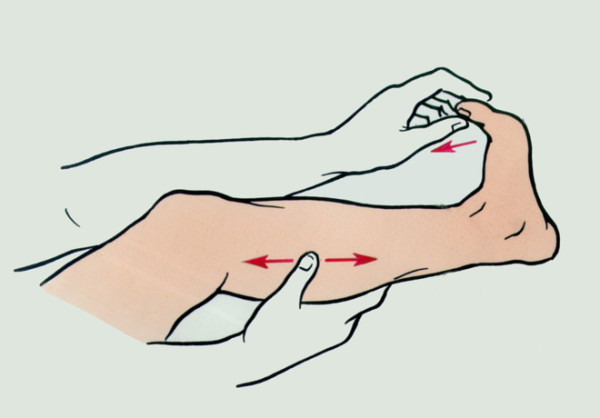
- Then grab the foot and pull it towards the victim, or, if you are experiencing pain, in your direction. This needs to be done as much as possible so that all the muscles tense, the discomfort at this moment will intensify, but then the pain will immediately go away.
- This method is often used by athletes - the limb in which the cramp has occurred should be pricked with something sharp or pinched.
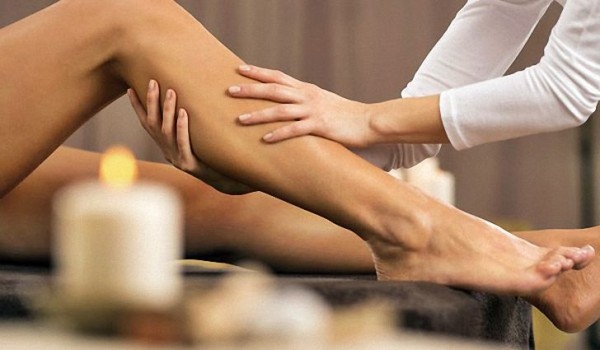
- As soon as the pain has subsided, you need to stretch the muscles well using massage to “calm them down.”
- A person needs complete rest for some time to recover; the consequence of cramps is often pain, like after intense physical activity.

Leg cramps at night
Cramps of the calf muscles at night in adults can become a consequence and symptom of various diseases, which we have already discussed above.
Night cramps in the limbs in children often appear during a period of active growth; they can signal this by loudly crying or asking to stroke the sore leg. Myoclonia in a child makes itself felt during hypothermia, prolonged uncomfortable body position, and congenital foot defects.
Like any pathology, seizures are easier to prevent than to treat. Here are some ways prevention, thanks to them you will forget about pain and discomfort in the calf muscles:
- Eat right. Load up on fruits, vegetables (especially broccoli), and dairy products, which are high in potassium, magnesium and minerals.
- Smoking and alcohol interfere with the absorption of essential microelements, which leads to their deficiency and problems with blood vessels.
- For the normal functioning of organs and systems, daily dynamic loads are necessary, but do not overdo it, everything should be in moderation.
- Girls should avoid unstable stiletto heels; shoes should be comfortable, otherwise their legs will get tired and the risk of cramps will increase.
- If you notice your tendency to cramps, make it a rule to take a contrast shower and do baths with herbs (mint, valerian).


Leg cramps during pregnancy
Cramps during pregnancy are not uncommon, but remember that this phenomenon is still not the norm, but a signal from the body reacting to the appearance of pathology.
The causes of myoclonus during pregnancy are similar to the factors that influence the occurrence of seizures in the normal state:
- The main reason remains the shortage vitamins and microelements, which is why proper and nutritious nutrition is so necessary for mother and fetus.
- If a woman suffers from toxicosis, this causes the loss of a large amount of fluid.
- The condition is aggravated by the abuse of caffeine-containing drinks, alcohol, and smoking.
- Lack of glucose and the development of anemia lead to seizures.
- In later stages, women often suffer from varicose veins, which leads to impaired blood supply, blood stagnation, and swelling.
Tips to prevent cramps during pregnancy:
- Do not wear high-heeled shoes;
- while at rest, try to lift your legs up and massage them from the foot to the knee;
- if you need to stay on your feet for a long time, perform simple exercises to “accelerate” the blood, for example, rise on your toes and then lower on your heels;
- take a contrast shower and take baths with sea salt.

Treatment of leg cramps
Drug treatment of seizures is based primarily on trial and error, since there is not yet a single drug that can prevent and eliminate myoclonus. In Russia, doctors often prescribe the drug Phenobarbital; it has a sedative effect, calms and improves sleep, however, it has a number of contraindications and is available only by prescription. Also, in the fight against seizures, Carbamazepine is prescribed, which fights epilepsy attacks.
You can try traditional methods, perhaps they will not bring the long-awaited result, but, in any case, they will not be harmful:
- Immediately after the onset of spasms, you can apply warm honey to the foot and calf area and wrap your feet, rinse off after half an hour.
- A popular remedy is lemon juice, which is rubbed into the skin of the feet; the course of treatment lasts a couple of weeks.
- Mustard powder or mustard juice gives a warming effect. oil, which is applied to the affected area.
- Some sources indicate that a vinegar solution can help; a cloth is moistened with it and placed on the area where the pain occurs, with a dry cloth placed on top. This method works both for prevention and as first aid.